
.jpeg)
Causes and countermeasures for increased creatinine after taking Fenelidone (Kesenda)
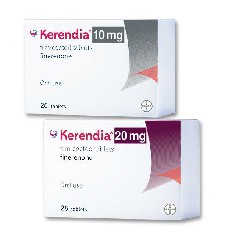
Finerenone (trade name: Keshenda) is a new type of selective mineral corticosteroid receptor antagonist (MRA). It is mainly used in patients with chronic kidney disease (CKD) and type 2 diabetes to reduce the progression of kidney damage and the risk of cardiovascular events. During clinical use, some patients will experience an increase in serum creatinine (SCr) after taking fenelidone. This phenomenon requires scientific understanding and reasonable response.
The reason why fenelinone causes an increase in creatinine is mainly related to its pharmacological effects. As a MRA, fenelinone inhibits aldosterone-mediated sodium retention and glomerular hyperfiltration, thereby reducing glomerular pressure. This mechanism may lead to a mild increase in serum creatinine or a decrease in glomerular filtration rate (eGFR) in the short term, but does not necessarily represent a continued deterioration of renal function. In other words, this is an expected, drug-induced functional change, not acute kidney injury.
Measures to address elevated creatinine include regular monitoring and dose adjustment. Clinically, it is recommended that patients measure baseline creatinine and serum potassium levels before fenelidone treatment, and conduct follow-up monitoring during the initial period of medication (usually 2-4 weeks). If the increase in serum creatinine is within 30% and there are no clinical symptoms, observation can be continued; if the increase is large or accompanied by hyperkalemia, temporary discontinuation of the drug or dose adjustment should be considered, and other factors that may affect renal function should be investigated, such as the use of diuretics or non-steroidal anti-inflammatory drugs.
Patients should pay attention to daily life management while taking the medication, including maintaining adequate fluids, avoiding high-potassium diet and improper drug superposition. Doctors will also develop an individualized follow-up plan based on changes in the patient's kidney function to ensure safe medication use. In most cases, the mild increase in creatinine caused by fenelidone is reversible, and with standard monitoring and appropriate adjustments, patients can continue to obtain the renal protection and cardiovascular benefits of the drug. In summary, understanding the pharmacological background and scientific management of elevated creatinine is critical to the safe use of fenelidone.
Reference link:https://www.drugs.com
[ 免责声明 ] 本页面内容来自公开渠道(如FDA官网、Drugs官网、原研药厂官网等),仅供持有医疗专业资质的人员用于医学药学研究参考,不构成任何治疗建议或药品推荐。所涉药品可能未在中国大陆获批上市,不适用于中国境内销售和使用。如需治疗,请咨询正规医疗机构。本站不提供药品销售或代购服务。


