
.jpeg)
The efficacy performance and matters needing attention during use of Mavakatai (Mefanto)
Mavacamten is a new oral myocardial contraction inhibitor, mainly used to treat patients with hypertrophic cardiomyopathy (Hypertrophic Cardiomyopathy, HCM), especially adult patients with left ventricular outflow tract obstruction (Obstructive HCM, oHCM). It improves heart function and patient symptoms by selectively regulating the activity of the cardiac contractile protein myosin to reduce excessive contraction and left ventricular pressure. As one of the first targeted therapeutic drugs targeting the pathological mechanisms of HCM, Mavakatai provides a new option for patients who have long lacked effective drug treatments.
In terms of efficacy, clinical studies have shown that Mavaceta has a significant effect on improving symptoms and cardiac structure and function. In the pivotal EXPLORER-HCM study, more than half of the oHCM patients who received Mavacartide showed significant improvements in exercise tolerance tests after approximately 30 weeks of treatment, while cardiac ultrasound showed a significant decrease in the left ventricular outflow tract pressure gradient. The patient's symptoms such as dyspnea, chest tightness, fatigue and activity tolerance were significantly relieved, and the quality of life (such as KCCQ score) was significantly improved. This shows that Mavaceta not only improves cardiac hemodynamics, but also improves patients' daily living abilities.
During the use of Mavakatai, special attention needs to be paid to the dynamic monitoring of cardiac function. Since its mechanism is to reduce excessive myocardial contraction by inhibiting the activity of myocardial contractile proteins, if the dose is too high, it may lead to a decrease in left ventricular systolic function and even cause heart failure. Therefore, patients need to undergo baseline assessment before treatment, including echocardiography to measure left ventricular ejection fraction (LVEF) and left ventricular outflow tract pressure gradient, while monitoring electrocardiogram and blood pressure. During treatment, doctors will dynamically adjust the dose based on echocardiographic results to ensure a balance between efficacy and safety.
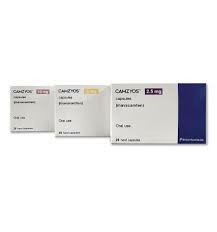
In addition to cardiac function monitoring, patients should also pay attention to drug interactions and adverse reactions while using Mavaceta. Mavaceta is mainly metabolized by CYP2C19 and therefore interacts with CYP2C19When inhibitors or inducers are used together, the dosage needs to be adjusted to avoid excessively high plasma concentrations or reduced efficacy. Common adverse reactions include mild fatigue, dizziness and palpitations, most of which are controllable and reversible symptoms. In addition, patients should avoid sudden discontinuation of medication or adjust the dose on their own, and regularly follow up on changes in cardiac function and symptoms to ensure that the treatment is safe and effective.
In summary, Mavakatai can significantly improve left ventricular outflow tract obstruction and exercise tolerance in oHCM patients and improve their quality of life by selectively regulating myocardial contractile protein activity. In clinical use, the key lies in standardized dose management, dynamic monitoring with echocardiography, and attention to potential drug interactions and adverse reactions. Through scientific management and individualized adjustment, Mavakatai can provide precise, safe and long-term effective targeted treatment options for patients with hypertrophic cardiomyopathy.
Reference link:https://www.drugs.com
[ 免责声明 ] 本页面内容来自公开渠道(如FDA官网、Drugs官网、原研药厂官网等),仅供持有医疗专业资质的人员用于医学药学研究参考,不构成任何治疗建议或药品推荐。所涉药品可能未在中国大陆获批上市,不适用于中国境内销售和使用。如需治疗,请咨询正规医疗机构。本站不提供药品销售或代购服务。


