
.jpeg)
Erlotinib/Tarceva belongs to the first generation of targeted anti-cancer drugs
Erlotinib (Erlotinib) is an early type of epidermal growth factor receptor tyrosine kinase inhibitor (EGFR-TKI) used clinically and is widely considered to be the representative of the first generation of targeted anti-cancer drugs. The emergence of the first-generation EGFR-TKI marks the entry into the era of molecular targeting in lung cancer treatment. Its mechanism of action mainly relies on competitive binding to the tyrosine kinase domain of the EGFR receptor, thereby blocking the continued activation of downstream signaling pathways and inhibiting tumor cell proliferation and angiogenesis.
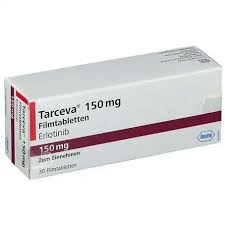
In the history of lung cancer treatment, traditional chemotherapy regimens have often been limited due to high side effects and poor targeting. The emergence of the first generation of targeted drugs has laid the foundation for precision medicine. Erlotinib, like gefitinib, is one of the first EGFR-TKIs approved by the FDA for non-small cell lung cancer. It mainly targets patients with specific EGFR sensitive mutations. Due to its selective effect on EGFR mutant tumor cells, erlotinib can delay disease progression to a large extent while reducing damage to normal tissues.
However, with the prolongation of treatment time, clinical trials have gradually found that patients are prone to develop drug resistance, especially the emergence of the T790M mutation, which challenges the efficacy of the first generation EGFR-TKI. This problem has driven the development of second-generation (such as afatinib) and third-generation (such as osimertinib) targeted drugs. Therefore, from the perspective of the vertical context of anti-cancer drug development, erlotinib belongs to the first generation of targeted drugs and is the starting point of molecular targeted therapy.
At present, although the new generation of drugs has advantages in resistance mechanisms and mutation coverage, erlotinib still has its place in the clinic, especially patients with specific mutation types can still benefit from it. In addition, its relatively mature pharmacokinetic data and long-term clinical experience also make it valuable in drug selection and combination therapy exploration.
Reference materials:https://en.wikipedia.org/wiki/Erlotinib
[ 免责声明 ] 本页面内容来自公开渠道(如FDA官网、Drugs官网、原研药厂官网等),仅供持有医疗专业资质的人员用于医学药学研究参考,不构成任何治疗建议或药品推荐。所涉药品可能未在中国大陆获批上市,不适用于中国境内销售和使用。如需治疗,请咨询正规医疗机构。本站不提供药品销售或代购服务。


