
.jpeg)
Is it impossible to stop taking linezolid/Swo after taking it?
Linezolid (Linezolid) belongs to the oxazolidinone antibiotics and is one of the few clinically available drugs against drug-resistant bacteria that can be used both orally and intravenously. It is mainly used to treat serious infections (bacterial infections) caused by methicillin-resistant Staphylococcus aureus (MRSA), drug-resistant enterococci (VRE), and partially drug-resistant Streptococcus pneumoniae. Because linezolid has good activity against drug-resistant bacteria, it is often used when other antibiotics are ineffective.
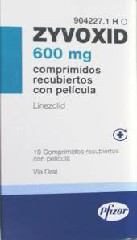
AboutThe question of "whether the drug cannot be stopped" needs to be understood from the general principles of antibiotic treatment. Linezolid is not a drug that “once used, cannot be stopped for life”, but must be used according to the complete course of treatment. During anti-infective treatment, if patients stop taking the drug early when their symptoms are relieved, the bacteria may not be completely eliminated, leading to relapse or even the emergence of drug-resistant strains. Therefore, once linezolid is initiated, the treatment cycle must be prescribed and supervised by a physician to ensure discontinuation at the appropriate time, rather than at the patient's discretion.
Usually, the course of treatment with linezolid varies depending on the site and severity of the infection, generally between 10 and 28 days. For bone and joint infections or complex antibiotic-resistant infections, the course of treatment may be longer. However, long-term use also carries the risk of side effects, such as bone marrow suppression, lactic acidosis, and optic neuropathy. Therefore, doctors will conduct blood routine and metabolic monitoring during the course of treatment to ensure the safety of drug use.
Therefore, the problem with discontinuation of linezolid is not that“it can never be stopped”, but that it “cannot be stopped at will”. After the standard course of treatment is completed, the patient should stop taking the medication under the guidance of a doctor without causing additional risks. The real risk is that patients interrupt treatment without authorization because their symptoms improve, which not only affects the efficacy, but may also have serious consequences in the spread of drug resistance.
Reference materials:https://go.drugbank.com/drugs/DB00601
[ 免责声明 ] 本页面内容来自公开渠道(如FDA官网、Drugs官网、原研药厂官网等),仅供持有医疗专业资质的人员用于医学药学研究参考,不构成任何治疗建议或药品推荐。所涉药品可能未在中国大陆获批上市,不适用于中国境内销售和使用。如需治疗,请咨询正规医疗机构。本站不提供药品销售或代购服务。


