
.jpeg)
Treatment plan and efficacy analysis of Selinisol (Silvio) combined with dexamethasone
Selinexor (Selinexor) is the first oral selective inhibitor of Nuclear Export (SINE). It has a unique mechanism of action. It mainly inhibits the nuclear export protein XPO1 and blocks the transfer of tumor suppressor proteins from the nucleus to the cytoplasm, thereby restoring the apoptosis pathway and inhibiting the growth of tumor cells. Because of its efficacy in multiple myeloma (MM) and diffuse largeBcell lymphoma (DLBCL), selinexol is increasingly being included as a treatment option for refractory and relapsed hematologic tumors. Among them, the combination of seliniso and dexamethasone is currently one of the more common combinations.
1. Treatment plan design
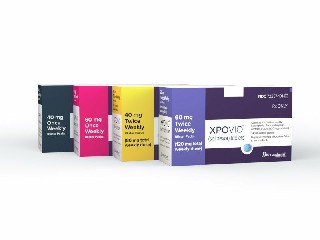
Selinesol is usually given as an oral tablet. In multiple myeloma, a common dosing regimen is: selinesol 80 mg orally twice weekly with dexamethasone 20 mg. The specific medication cycle is usually 28 days. Based on individual tolerance and efficacy, patients can adjust the dose under the guidance of a doctor, for example, reducing it to 60mg or 100mg once a week.
Dexamethasone plays a dual role in this program: on the one hand, it enhances the therapeutic effect through the anti-tumor effect of glucocorticoids, and on the other hand, it can alleviate some of the adverse reactions caused by selinesol, such as nausea and decreased appetite. In clinical practice, seliniso + dexamethasone is often combined with proteasome inhibitors (such as bortezomib, carfilzomib) or immunomodulators (such as lenalidomide, pomalidomide) to form a triple or quadruple combination regimen to further improve the efficacy.
2. Clinical efficacy analysis
The efficacy of selinesol combined with dexamethasone has been confirmed in multiple clinical trials. Take the STORM study as an example. This study included a large number of patients with relapsed / refractory multiple myeloma who had received multiple lines of treatment in the past. All enrolled patients were resistant to proteasome inhibitors, immunomodulators and anti-CD38 monoclonal antibodies. In this highly refractory patient population, the overall response rate (ORR) of selinesol + dexamethasone is approximately 26%~30%, some patients can achieve deep remission or even great remission (VGPR). Although the response rate is not outstanding compared with first-line treatment, it is a significant improvement in such patients with "no drug options."
In a study of diffuse largeB cell lymphoma (DLBCL), the effectiveness of selinesol monotherapy was 20%~30%, and the combination with dexamethasone is expected to further enhance the efficacy, especially in patients who are resistant to chemotherapy, showing a certain survival benefit. Clinical data shows that the progression-free survival (PFS) of some patients can be extended to more than 3~5 months.
Overall, selinesol combined with dexamethasone provides a new treatment approach for patients who have failed multiple lines of treatment. It not only fills some treatment gaps, but also lays the foundation for the expansion of future combination programs.
3. Safety and Tolerability
The main adverse reactions of selinesol include nausea, vomiting, anorexia, weight loss, hyponatremia, thrombocytopenia, anemia and neutropenia. Among them, hematological toxicity and gastrointestinal reactions are the most common. Significant symptom relief can be achieved through the combined use of dexamethasone and appropriate supportive care.
In clinical practice, doctors usually assess the patient's systemic condition before treatment, including liver and kidney function, electrolyte levels, bone marrow reserve capacity, etc. During the treatment process, blood levels and electrolytes need to be closely monitored, and measures such as antiemetics, white medicine, blood transfusion, or sodium supplementation should be given according to the situation. For patients who cannot tolerate standard doses, dose reduction, delayed administration, etc. can be used to balance efficacy and safety. Most adverse reactions can be gradually relieved after discontinuation of medication or dose adjustment.
4. Future development and patient benefits
With in-depth research on selinesol, its combination with other drugs is constantly expanding. For example, the triple regimen of selinesol combined with bortezomib + dexamethasone (SVd) showed a higher response rate (approximately 63%), and the patient's progression-free survival can reach 9~10 months, which is significantly better than the double combination regimen. Similar combinations are being explored in other disease areas, including lymphoma, solid tumors, and others.
For patients, the greatest value of selinesol combined with dexamethasone is "breaking the deadlock". Many relapsed/refractory patients have few treatment options after standard drug treatments fail, and selinesol's unique mechanism brings them new hope. In the future, as more research results are released, this program is expected to enter more treatment guidelines and benefit more patients in the real world.
Selineso (Selinexor) combined with dexamethasone, as a new oral treatment regimen, has shown certain efficacy and controllable safety in the relapsed / refractory stage of multiple myeloma and lymphoma. Although its adverse effects still need to be carefully managed, most patients can tolerate it well through individualized dose adjustment and supportive treatment. With the deepening of clinical research and the continuous optimization of combination regimens, the clinical application prospects of Selinisol are worth looking forward to.
Reference link:https://www.drugs.com
[ 免责声明 ] 本页面内容来自公开渠道(如FDA官网、Drugs官网、原研药厂官网等),仅供持有医疗专业资质的人员用于医学药学研究参考,不构成任何治疗建议或药品推荐。所涉药品可能未在中国大陆获批上市,不适用于中国境内销售和使用。如需治疗,请咨询正规医疗机构。本站不提供药品销售或代购服务。


