
.jpeg)
Top ten food taboos for Pazopanib (Vita) and precautions during use
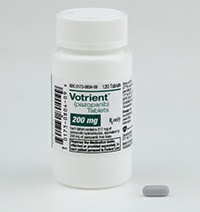
Pazopanib is an oral multi-target tyrosine kinase inhibitor mainly used to treat malignant tumors such as advanced or metastatic renal cell carcinoma and soft tissue sarcoma. It exerts anti-cancer effects by inhibiting multiple signaling pathways such as vascular endothelial growth factor receptor (VEGFR), platelet-derived growth factor receptor (PDGFR) and stem cell factor receptor (c-Kit). It blocks tumor angiogenesis and tumor cell proliferation. However, pazopanib has high requirements on diet and lifestyle during treatment. If reasonable diet and medication precautions are not paid attention to, it may affect the efficacy of the drug and even increase the risk of adverse reactions. Therefore, it is very important for patient safety and efficacy to know the taboos and precautions during medication.
1. Top ten foods to avoid while taking pazopanib
1.Grapefruit and its products: Grapefruit will inhibit CYP3A4 enzyme activity and increase the concentration of pazopanib in the blood, thereby increasing the risk of drug toxicity.
2.Strong tea and coffee: Caffeine may increase heart rate and blood pressure, and pazopanib itself can cause high blood pressure, so intake should be minimized.
3.High-salt foods: such as pickled products, quick-frozen foods, salty snacks, etc. Long-term intake will aggravate the risk of water and sodium retention and hypertension caused by drugs.
4.High-fat fried foods: Greasy foods may aggravate the irritation of the gastrointestinal tract by drugs and cause adverse reactions such as nausea and diarrhea.
5.Thick broth or offal: rich in purine and cholesterol, long-term intake may increase the burden on the liver, and pazopanib has a risk of hepatotoxicity.
6.Alcohol: It will increase the burden on the liver, affect drug metabolism, and may enhance drug toxicity and lead to abnormal liver function.
7.High-sugar snacks and desserts: Long-term high-sugar diet can easily lead to blood sugar fluctuations, aggravate treatment-related fatigue and weight management difficulties.
8.Spicy and irritating foods: such as chili, pepper, ginger, etc., may aggravate the symptoms of oral ulcers and gastrointestinal discomfort.
9. Raw and cold food and unclean water sources: can easily cause digestive tract discomfort or infection, and are especially dangerous for patients with suppressed immunity.
10.Supplements and herbal medicines: Some traditional Chinese medicines or health products contain ingredients that affect CYP450 enzymes, which may interfere with drug metabolism or enhance adverse reactions.
2. Precautions while taking pazopanib
1.Regular medication: Pazopanib should be taken on an empty stomach (1 hours before meals or 2 hours after meals) to ensure stable drug absorption. Avoid taking it with meals or high-fat foods to avoid affecting drug concentration.
2.Monitor blood pressure: This drug can cause high blood pressure. Patients need to self-measure their blood pressure and review it regularly as directed by their doctor. If necessary, use antihypertensive drugs in combination.
3. Liver function monitoring: Pazopanib may cause elevated liver enzymes or abnormal bilirubin. Liver function needs to be checked regularly before and during treatment. If abnormalities occur, the drug should be discontinued or the dosage should be adjusted promptly.
4. Blood picture monitoring: Some patients may experience leukopenia, thrombocytopenia, etc. Regular hematology examinations can help detect abnormalities in time and prevent the risk of infection or bleeding.
5.Avoid other CYP3A4 inhibitors: such as ketoconazole, itraconazole, etc., which may lead to increased drug concentration; similarly, CYP3A4 inducers (such as rifampicin) may reduce the efficacy.
6. Closely observe adverse reactions: including hand and foot skin reactions, fatigue, stomatitis, diarrhea, etc., communicate with the doctor in a timely manner, and perform symptomatic treatment or dose adjustment if necessary.
7.Stay hydrated and eat a balanced diet: drink more water and ensure protein and vitamin intake to help reduce fatigue, protect liver and kidney function, and maintain immunity.
8.Avoid strenuous exercise or injury: Pazopanib may increase the risk of bleeding, especially patients with thrombocytopenia or anticoagulation therapy need to pay attention to safety.
9. Discontinue the medication or adjust the dose as directed by the doctor: If severe side effects occur or liver function significantly increases, the medication should be stopped immediately and the plan adjusted under the guidance of a doctor.
10.Regular review of imaging and clinical indicators: ensure timely assessment of tumor efficacy and avoid delays in treatment decisions.
3. Summary
Pazopanib plays an important role in the treatment of advanced tumors, but dietary control and safety management during medication are equally critical. Patients should avoid high-fat, spicy, alcohol, grapefruit and other foods that may affect the efficacy of the medicine or increase toxicity. At the same time, they should strictly follow the doctor's instructions to take the medicine regularly, and regularly monitor blood pressure, liver function and hemogram. Through scientific diet, reasonable lifestyle and active monitoring, we can not only maximize drug efficacy, but also reduce the risk of adverse reactions and improve patients' quality of life and treatment compliance.
Reference link:https://www.drugs.com
[ 免责声明 ] 本页面内容来自公开渠道(如FDA官网、Drugs官网、原研药厂官网等),仅供持有医疗专业资质的人员用于医学药学研究参考,不构成任何治疗建议或药品推荐。所涉药品可能未在中国大陆获批上市,不适用于中国境内销售和使用。如需治疗,请咨询正规医疗机构。本站不提供药品销售或代购服务。


