
.jpeg)
Adagrasiib (Krazati) dose adjustment method and medication differences among different groups of people
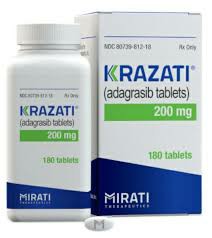
Adagrasiib (Krazati) is a selective KRAS G12C small molecule inhibitor, mainly used to treat patients with advanced or metastatic non-small cell lung cancer (NSCLC) carrying KRAS G12C mutations. The drug covalently binds to the KRAS G12C mutant protein and inhibits its abnormal signaling pathways, thereby preventing cancer cell proliferation. As a new targeted drug, adagrasib not only focuses on efficacy in clinical application, but also emphasizes reasonable dose adjustment to take into account both efficacy and safety. At the same time, individualized medication plans should be formulated according to different characteristics of patients.
1. Standard dosage and adjustment principles of adagrasiib
The standard dose of adagrasiib is 600 mg taken orally twice daily. This dose showed optimal efficacy and tolerability in early clinical studies. During treatment, dosage adjustments are mainly based on the grade of adverse reactions of the drug, patient tolerance, and concomitant medication. Common dosage adjustment principles include:
1.Mild adverse reactions (Grade 1-2): Generally, there is no need to adjust the dosage, but changes in symptoms need to be closely monitored and symptomatic treatment can be taken.
2.Moderate adverse reactions (grade 2-3): The drug can be temporarily discontinued or the dose can be reduced to 400 mg twice a day until symptoms are relieved, and then the original dose can be gradually restored.
3.Severe adverse reactions (Grade 3-4): The drug needs to be stopped immediately. After the symptoms subside, treatment can be restarted under the guidance of a doctor, and the dose may be maintained at a lower level or the frequency of administration may be adjusted.
In addition, if the patient is taking CYP3A4 inhibitors or inducers, the plasma concentration of adagrasib may be affected. In the case of combined medication, the dosage needs to be adjusted appropriately or closely monitored to prevent overdose or reduction in efficacy.
2. Differences in medication for patients with hepatic insufficiency
Adagrasib is mainly metabolized by the liver, so dose adjustment is particularly important in patients with hepatic insufficiency . For patients with mild hepatic impairment (Child-Pugh A), standard doses can usually be taken, but liver function monitoring needs to be strengthened. Patients with moderate hepatic impairment (Child-Pugh B) are recommended to reduce the dose to 400 mg twice a day and closely monitor transaminase, bilirubin and other indicators. There is still a lack of sufficient data for patients with severe hepatic insufficiency (Child-Pugh C), and its use is generally not recommended. If it must be used, it must be administered with caution under the guidance of a professional doctor, and safety must be evaluated at any time.
3. Dose adjustment in patients with renal insufficiency
Although the renal excretion of adagrasib is low, in patients with moderate to severe renal insufficiency still need to pay attention to the cumulative effect of the drug in the body. Patients with mild or moderate renal impairment can use the drug at regular doses, but regular renal function monitoring should be performed. For patients with severe renal insufficiency (eGFR <30 mL/min/1.73㎡) or patients undergoing dialysis, current clinical experience is limited. The pros and cons should be weighed and used with caution. If necessary, dose reduction or extended dosing intervals may be considered.
4. Differences in medication use among elderly patients and other special groups
Elderly patients (≥65 years old) usually have multiple comorbid diseases and multi-drug sharing, but clinical data show that age itself has no significant impact on the pharmacokinetics of adagrasiib. Therefore, in elderly patients without severe hepatic and renal dysfunction, standard doses can be used, but attention should be paid to tolerance and side effects, such as fatigue, elevated liver enzymes, diarrhea, or rash. Data are lacking in pregnant and lactating women and pediatric patients, so use is generally not recommended.
5. Clinical practice strategies for dose adjustment
In actual clinical practice, the dosage adjustment of adagrasiib needs to follow the principles of individualization, step-by-step, and close monitoring . Doctors usually strengthen monitoring of hematology, liver and kidney function, and blood pressure during the initial treatment period. Once adverse reactions occur, choose to temporarily discontinue the drug, reduce the dose, or adjust the frequency of administration according to the degree. Continuing maintenance treatment after recovery can balance efficacy and safety. For patients with long-term use, it is necessary to evaluate the tumor efficacy in combination with imaging, and adjust the dose if necessary to extend the duration of the efficacy.
6. Summary
Adagrasib is the first oral targeted drug targeting KRAS G12C mutation, and its dose adjustment strategy is of critical significance for optimizing efficacy and reducing adverse reactions. The standard dose is 600 mg twice a day, but it needs to be individually adjusted based on adverse reactions, liver and kidney function status, combined medications, and characteristics of elderly patients. Scientific and standardized dose management can not only ensure the efficacy, but also improve patients' medication compliance and quality of life, providing reliable targeted treatment options for patients with advanced or metastatic NSCLC.
Reference link:https://www.drugs.com
[ 免责声明 ] 本页面内容来自公开渠道(如FDA官网、Drugs官网、原研药厂官网等),仅供持有医疗专业资质的人员用于医学药学研究参考,不构成任何治疗建议或药品推荐。所涉药品可能未在中国大陆获批上市,不适用于中国境内销售和使用。如需治疗,请咨询正规医疗机构。本站不提供药品销售或代购服务。


