
.jpeg)
Tepotinib (Tuodekang) drug metabolism characteristics and interactions with other drugs
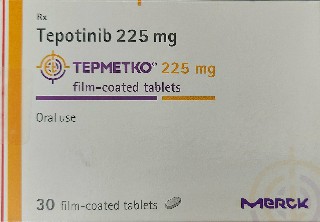
Tepotinib (Tepotinib) is an oral MET receptor tyrosine kinase inhibitor (MET-TKI), mainly used to treat the presence of MET exon 14 Patients with non-small cell lung cancer (NSCLC) with skipping mutations. By inhibiting the MET signaling pathway, tepotinib can block the proliferation, migration and survival of cancer cells, thereby exerting anti-tumor effects. Its drug metabolism characteristics and potential drug interactions are important references for clinical safe medication and dose management, and are of great significance for improving efficacy and reducing adverse reactions.
1. Drug metabolism characteristics of tepotinib
After oral absorption, Tepotinib is mainly metabolized by the liver, and is mainly metabolized by the CYP3A4/5 enzyme system. In addition, drugs can also undergo certain metabolism through the UDP-glucuronosyltransferase (UGT) pathway. Because it is mainly metabolized in the liver, patients with hepatic insufficiency may affect drug clearance, leading to increased blood drug concentration, thereby increasing the risk of side effects. Clinical data shows that when patients with normal liver function take the standard oral dose (500 mg/day), the steady-state blood concentration of the drug usually reaches its peak in about 7 days. There is a certain correlation between blood drug concentration and efficacy and toxicity.
The half-life of Tepotinib is approximately 32 hours, making it suitable for once-daily oral administration and its plasma concentration is relatively stable. Renal clearance accounts for a small proportion of the overall drug metabolism, so dose adjustments are usually not required in patients with mild to moderate renal impairment. However, caution is still required in patients with severe renal impairment, and regular monitoring of renal function indicators is recommended.
2. Interaction with CYP3A4 Inhibitors or inducers
Since tepotinib mainly relies on CYP3A4/5 for metabolism, its plasma concentration may be affected by CYP3A4 Inhibitor or inducer effects. Common CYP3A4 inhibitors include ketoconazole, itraconazole, clarithromycin, etc., which can significantly reduce the drug metabolism rate, leading to an increase in blood drug concentration, thus increasing the risk of hepatotoxicity, gastrointestinal reactions or rash. For patients who are concurrently using strong CYP3A4 inhibitors, clinical consideration may be given to reducing the dose or extending the dosing interval, and strengthening monitoring of liver function and blood drug concentration.
On the contrary, CYP3A4 inducing agents such as rifampicin, phenobarbital, St. John's wort, etc. can accelerate the metabolism of tepotinib and reduce the plasma concentration, which may lead to a decrease in efficacy. When using these drugs, drug alternatives should be evaluated or the frequency of monitoring should be increased. If necessary, the dosage can be appropriately adjusted under the guidance of a physician to ensure that the therapeutic effect is maintained within the therapeutic window.
3. Interactions with other drugs
In addition to CYP3A4 related interactions, tepotinib may also affect or be affected by drug transporters (such as P-gp, BCRP). Some drugs, such as digoxin (P-gp receptor substrate), may cause a slight increase in blood concentration when combined with tepotinib. Therefore, in clinical practice, it is necessary to pay attention to the combined use of P-gp and BCRP substrates, and adjust the dose or strengthen blood drug monitoring when necessary.
In addition, tepotinib can be combined with anticoagulants, antihypertensive drugs, antidiabetic drugs and other commonly used drugs. However, current clinical data shows that most non- CYP3A4 metabolized drugs will not significantly affect the plasma concentration of tepotinib. However, for patients with abnormal liver and kidney function or elderly patients with multiple diseases who take medications together, individualized medication evaluation should be conducted to avoid cumulative toxicity or reduced efficacy.
4. Clinical application strategies
In actual clinical application, the dosing strategy of tepotinib should fully consider its metabolic characteristics and drug interactions. For patients who are taking CYP3A4 inhibitors or inducers at the same time, the risks should be assessed in advance and dosage adjustment, drug replacement or time-sharing administration should be carried out if necessary. At the same time, regular monitoring of liver function, kidney function, electrolytes and blood drug concentration can help early detection of drug accumulation or reduced efficacy. For the elderly or patients with multiple diseases taking medications together, it is recommended to adopt an individualized dose management plan to ensure efficacy while reducing the risk of adverse reactions.
In short, as an important drug for MET targeted therapy, tepotinib is dependent on CYP3A4/5 for liver metabolism, has a long half-life, and is susceptible to enzyme inhibition or induction. It is a key factor for safe clinical use and maintenance of efficacy. Understanding drug metabolism characteristics, rationally assessing drug interactions, and combining individualized dose adjustment and monitoring strategies can effectively improve efficacy, safety, and patient tolerability for long-term medication.
Reference link:https://www.drugs.com
[ 免责声明 ] 本页面内容来自公开渠道(如FDA官网、Drugs官网、原研药厂官网等),仅供持有医疗专业资质的人员用于医学药学研究参考,不构成任何治疗建议或药品推荐。所涉药品可能未在中国大陆获批上市,不适用于中国境内销售和使用。如需治疗,请咨询正规医疗机构。本站不提供药品销售或代购服务。


