
.jpeg)
How much do you actually need to pay after reimbursement for acalatinib/acalabrutinib?
Acalabrutinib is a new generation Bruton's tyrosine kinase (BTK) inhibitor, mainly used for the treatment of hematological tumors such as mantle cell lymphoma and chronic lymphocytic leukemia (CLL). After the drug was launched in China, it quickly attracted widespread attention from patients and the medical community. Especially after the drug was admitted to medical insurance, the actual payment amount became one of the issues that patients were most concerned about. According to the results of medical insurance negotiations, acotinib has been included in the national medical insurance catalog, and patients can obtain the drug through medical insurance reimbursement in compliant hospitals and pharmacies. The original market price was relatively high, with a box of 100mg capsules costing approximately tens of thousands of yuan, which was a heavy burden for patients taking medication for a long time. However, medical insurance reimbursement greatly alleviates cost pressure.
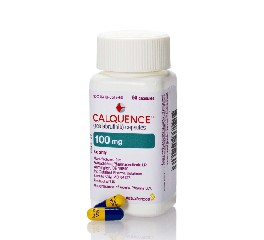
In the actual payment process, the price of acotinib is borne by both the medical insurance payment part and the individual self-payment part. Medical insurance reimbursement ratios vary from region to region, and payment policies, deductibles, and reimbursement ceilings in different provinces will all have an impact on the final cost. The reimbursement ratio in most cities is around 70%, and in areas with high reimbursement ratios, patients' out-of-pocket expenses can even be reduced to less than one-third of the original price.
It is worth emphasizing that acotinib treatment often requires long-term or even continuous medication, which makes medical insurance reimbursement particularly significant. Long-term adherence to standardized treatment can not only help patients maintain disease remission, but also delay the progression of the disease, reduce the risk of re-hospitalization and complications, thereby indirectly reducing overall medical expenditures. Overseas research and real-world data also show that the use of BTK inhibitors in hematological tumors is becoming more and more widespread, and the intervention of medical insurance policies has provided accessibility and fairness to more patients.
Reference materials:https://www.calquence.com/
[ 免责声明 ] 本页面内容来自公开渠道(如FDA官网、Drugs官网、原研药厂官网等),仅供持有医疗专业资质的人员用于医学药学研究参考,不构成任何治疗建议或药品推荐。所涉药品可能未在中国大陆获批上市,不适用于中国境内销售和使用。如需治疗,请咨询正规医疗机构。本站不提供药品销售或代购服务。


