
.jpeg)
How to follow the usage and dosage guidelines of ibrutinib/Eco
Ibrutinib (Ibrutinib) is a highly selective BTK inhibitor. Its usage and dosage need to strictly follow the instructions and clinical guidelines to ensure efficacy and reduce the risk of adverse reactions. Due to different indications, there are certain differences in the recommended dosage. Clinicians usually develop individualized treatment plans based on the patient's age, underlying diseases, and tolerance.
For adult patients with chronic lymphocytic leukemia (CLL) and small lymphocytic lymphoma (SLL), the recommended dose of ibrutinib is 420 mg once daily. This dose can effectively block the BTK signaling pathway and inhibit the abnormal proliferation of tumor cells, thereby helping patients achieve disease remission. In the treatment of Waldenstrom's macroglobulinemia (WM), the recommended dose is also 420 mg daily. Studies have shown that long-term regular medication can lead to higher remission rates and significantly improve patients' quality of life.
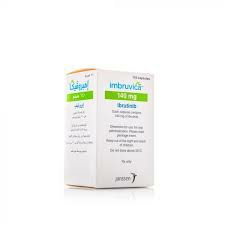
In the treatment of chronic graft-versus-host disease (cGVHD), ibrutinib is suitable for patients 12 years of age and older, and the recommended dose is also 420 mg once daily. For pediatric patients aged 1 to 12 years old, the dose needs to be calculated based on body surface area (BSA). The recommended dose is 240 mg/m², once a day, and the maximum daily dose does not exceed 420 mg. This differentiated dosing method embodies the concept of precision medicine, which not only ensures the safety of the drug, but also improves accessibility to pediatric patients.
It should be noted that ibrutinib should be swallowed whole and avoid breaking or chewing to ensure the stability and absorption of the drug. At the same time, patients should avoid taking it with strong CYP3A inhibitors or inducers during use, because these drugs may affect the plasma concentration of ibrutinib, thereby affecting the efficacy or increasing the risk of adverse reactions. Common adverse reactions include bleeding, arrhythmia, infection, and gastrointestinal discomfort. Therefore, patients need to receive regular follow-up and hematology tests during medication.
Reference materials:https://www.imbruvica.com/
[ 免责声明 ] 本页面内容来自公开渠道(如FDA官网、Drugs官网、原研药厂官网等),仅供持有医疗专业资质的人员用于医学药学研究参考,不构成任何治疗建议或药品推荐。所涉药品可能未在中国大陆获批上市,不适用于中国境内销售和使用。如需治疗,请咨询正规医疗机构。本站不提供药品销售或代购服务。


