
.jpeg)
Analysis of the clinical efficacy of Selinisol (Silvio) in the treatment of multiple myeloma
Selinexor is a new type of selective nuclear export inhibitor (SINE). Its main mechanism of action is to inhibit the XPO1 protein, preventing key tumor suppressors from being transported out of the nucleus, thereby enhancing their inhibitory effect on cancer cells. As the first approved oral SINE drug, selinesol has demonstrated unique advantages in the treatment of multiple myeloma, especially in relapsed and refractory patients who have failed previous multiple lines of treatment, providing new possibilities for prolonging survival and improving symptoms.
In clinical studies, the regimen of selinesol combined with dexamethasone was focused on evaluation. STORM Phase II study results show that for patients who have received multiple lines of therapy and are resistant to proteasome inhibitors, immunomodulators and anti-CD38 monoclonal antibodies, Celi Nisol combined with dexamethasone can still achieve an objective response rate of approximately 26% (ORR), and some patients achieve deep remission. This result is considered to have important clinical implications, given the extremely limited treatment options for these patients.
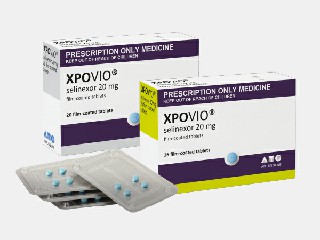
Further studies have explored the efficacy of selinesol in combination with other drugs. For example, in the BOSTON study, the triple combination regimen of selinesol, bortezomib and dexamethasone, compared with the standard double combination regimen of bortezomib+dexamethasone, significantly improved the progression-free survival (PFS) of patients and improved the overall response rate. This data supports the early use of selinesol in relapsed and refractory multiple myeloma, providing patients with longer disease control.
Overall, selinesol has shown positive efficacy in the treatment of multiple myeloma, especially in drug-resistant patients, bringing a breakthrough in treatment difficulties. However, the adverse reactions of selinesol also require attention, including fatigue, nausea, decreased appetite, thrombocytopenia, etc. Some patients may need dose reduction or supportive care. In clinical application, it is necessary to balance efficacy and safety, adjust dosage individually and manage adverse reactions, so that patients can benefit to the greatest extent.
Reference link:https://www.drugs.com
[ 免责声明 ] 本页面内容来自公开渠道(如FDA官网、Drugs官网、原研药厂官网等),仅供持有医疗专业资质的人员用于医学药学研究参考,不构成任何治疗建议或药品推荐。所涉药品可能未在中国大陆获批上市,不适用于中国境内销售和使用。如需治疗,请咨询正规医疗机构。本站不提供药品销售或代购服务。


