
.jpeg)
Efficacy and patient cases of Tepotinib (Tuodekang) in the treatment of MET mutated gastric cancer
Tepotinib is a highly selective MET inhibitor that was first developed to treat patients with MET exon 14 skipping mutations in non-small cell lung cancer. With in-depth research on the MET pathway, scientists have discovered that some gastric cancer patients also have MET amplification or abnormal activation. These patients have limited response to conventional chemotherapy or immunotherapy, and tepotinib provides them with a new treatment direction. Its mechanism of action is to block the MET signaling pathway and inhibit the proliferation and metastasis of tumor cells.
In clinical study data, tepotinib has shown positive efficacy in patients with MET amplified gastric cancer. Some small-scale trial results show that patients treated with tepotinib can achieve significant objective response rates (ORR), and some patients' tumors shrink by more than 30%. Moreover, tepotinib performed well in terms of disease control rate (DCR) and progression-free survival (PFS), demonstrating its potential value in precisely targeted populations. Especially for patients with advanced gastric cancer who have failed previous treatments, tepotinib is expected to prolong survival and improve quality of life.
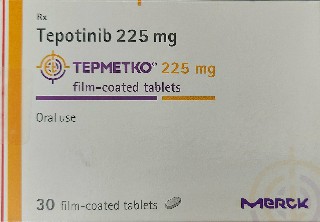
From the perspective of patient cases, it was reported that a patient with advanced gastric cancer received tepotinib monotherapy after genetic testing revealed MET amplification. Within a few weeks, imaging examinations showed that the tumor volume was significantly reduced, and accompanying symptoms such as abdominal pain and loss of appetite were significantly improved. Another patient who received tepotinib combined with chemotherapy was able to maintain stable disease for several months after drug resistance, indicating that tepotinib can not only be used as a single agent, but also has potential synergistic effects in combination therapy.
In general, tepotinib has certain promise in the efficacy of MET gastric cancer patients with mutations or amplifications. Although the current sample size of relevant clinical studies is limited and more randomized controlled trials are still needed to verify its long-term benefits and safety, the existing results are sufficient to show that this drug provides a new option for specific groups of people. With the popularization of genetic testing, more gastric cancer patients will be screened out for MET abnormalities in the future, thus benefiting from targeted treatments like tepotinib.
Reference link:https://www.drugs.com
[ 免责声明 ] 本页面内容来自公开渠道(如FDA官网、Drugs官网、原研药厂官网等),仅供持有医疗专业资质的人员用于医学药学研究参考,不构成任何治疗建议或药品推荐。所涉药品可能未在中国大陆获批上市,不适用于中国境内销售和使用。如需治疗,请咨询正规医疗机构。本站不提供药品销售或代购服务。


