
.jpeg)
Detailed introduction to the contraindications of Fidaxomicin and those who are not suitable for use
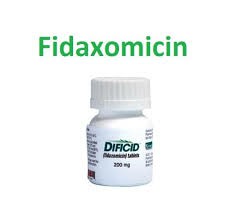
Fidaxomicin is an oral macrocyclic antibiotic mainly used to treat Clostridioides difficile infection (CDI), especially in patients with moderate to severe or recurrent enteritis. Compared with traditional antibiotics (such as vancomycin and metronidazole), fidaxomicin has a highly selective bactericidal effect in the intestine, has little damage to the normal intestinal flora, and can significantly reduce the recurrence rate. Although it is highly safe, there are still certain contraindications and inapplicable groups, which need to be strictly observed in clinical application.
It is contraindicated in patients allergic to fidaxomicin and its excipients. Anaphylaxis may manifest as rash, itching, difficulty breathing, or severe anaphylactic shock. Anyone with a known allergy to fidaxomicin should not use this drug due to the risk of serious adverse reactions. In addition, patients who are allergic to drugs containing similar macrocyclic structures should also use it with caution and assess the risks under the guidance of a doctor.
Use with caution in patients with severely impaired liver function. Fidaxomicin mainly acts locally in the intestine, and the systemic absorption is very low, but a small amount still enters the blood circulation and is metabolized and excreted through the liver. For patients with severe hepatic insufficiency (e.g., Child-Pugh C grade), drug metabolism may be affected, increasing blood drug concentrations, and potentially inducing adverse reactions, such as elevated liver enzymes, jaundice, or systemic allergic reactions. Therefore, such patients need to assess the risks under the guidance of a professional physician and adjust the dosage or choose alternative drugs if necessary.
Pregnant and nursing women should use with caution. Currently, there is limited data on the safety of fidaxomicin during pregnancy and lactation, and there is insufficient clinical data to prove that it is completely safe for fetuses or infants. Animal experiments show that high doses of fidaxomicin may affect fetal development, so pregnant women should only use it when it is clear that the benefits outweigh the risks, and under strict supervision by a doctor. Breastfeeding women should also weigh the possible effects of the drug on the baby through breast milk, and consider discontinuing the drug or suspending breastfeeding if necessary.
Children and adolescents under 18 years of age and adolescents should use with caution. Fidaxomicin is currently approved mainly for the treatment of CDI in adults, but its pharmacokinetics, dosage and safety in children have not yet been fully verified. Use in children or adolescents should be strictly monitored by an experienced medical institution and the feasibility of alternative treatment options should be evaluated.
Other special groups, such as those with severely weakened immune function and patients with severe heart and kidney dysfunction, should also be cautious when using fidaxomicin. Although fidaxomicin mainly has local effects, patients with low immunity or multiple organ dysfunction are more likely to suffer from serious infections or adverse drug reactions, and the risks and benefits need to be comprehensively evaluated under the guidance of a doctor.
In summary, fidaxomicin is effective in the treatment ofCDIIt has obvious advantages, but the contraindication groups mainly include: those allergic to drugs or excipients, pregnant and lactating women, patients with severely damaged liver function, children and adolescents, and those with low immune function or multiple organ dysfunction. In clinical application, the requirements for indications and contraindications should be strictly followed, combined with the patient's specific condition and monitoring indicators, to ensure the safety of medication, while at the same time giving full play to the therapeutic value of fidaxomicin in controlling CDI and reducing recurrence.
Reference link:https://www.drugs.com
[ 免责声明 ] 本页面内容来自公开渠道(如FDA官网、Drugs官网、原研药厂官网等),仅供持有医疗专业资质的人员用于医学药学研究参考,不构成任何治疗建议或药品推荐。所涉药品可能未在中国大陆获批上市,不适用于中国境内销售和使用。如需治疗,请咨询正规医疗机构。本站不提供药品销售或代购服务。


