
.jpeg)
Matters needing attention and contraindications during the use of Inalisate (Iheli)
Inavolisib (Inavolisib) is an oral selective PI3Kα (phosphatidylinositol 3 kinase α isoform) inhibitor. The preparation is mainly used to treat breast cancer patients carrying PIK3CA gene mutations, especially HR+/HER2- advanced or metastatic breast cancer. Its mechanism of action is to inhibit tumor cell proliferation and promote apoptosis by selectively inhibiting the PI3Kα signaling pathway. Although inaliset has shown good efficacy in clinical studies, patients and clinicians still need to pay attention to a series of precautions and contraindications during actual use to ensure drug safety and efficacy.
Relevant examinations and evaluations are required before use. Inalise is suitable for breast cancer patients who clearly carry PIK3CA mutations, so the PIK3CA gene status should be confirmed through tissue biopsy or blood liquid biopsy before treatment. At the same time, patients need to undergo basic hematology, liver and kidney function, blood sugar and blood lipid assessments, because the drug may affect blood and metabolic indicators. For patients with severe liver function abnormalities (such as AST or ALT>3 times the upper limit), renal insufficiency (eGFR<30 mL/min/1.73m²) or poor glycemic control, caution or delayed use of medication is required.
Monitoring and management of adverse drug reactions is very important. The most common adverse reactions of inariside include hyperglycemia, diarrhea, rash, stomatitis, and decreased platelets or neutrophils. To reduce risks, patients should regularly monitor blood sugar, liver and kidney function and blood routine during medication. Once severe hyperglycemia occurs, antidiabetic drugs should be adjusted promptly or discontinued for a short period of time; when platelets or white blood cells drop significantly, the dosage should be adjusted or treatment suspended based on blood images. Mild to moderate reactions such as rash or stomatitis can be alleviated through local symptomatic treatment or auxiliary drugs.
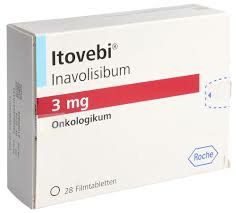
Pay attention to drug interactions during medication. Inalised is mainly metabolized by the liver. Therefore, when combined with potent CYP3A inhibitors (such as clarithromycin, ketoconazole) or inducers (such as rifampin, carbamazepine), it may significantly change the blood concentration, increase toxicity or reduce efficacy. When coadministering medications, a physician should be consulted for dose adjustments or alternative drug selection. At the same time, long-term combination with other drugs with high blood sugar risk or known immunosuppressive drugs should be avoided to reduce the risk of metabolic abnormalities and infection.
Special groups should use it with caution. Pregnant and lactating women should avoid using inalise because animal experiments have shown that it may affect fetal development or affect infant health through milk. Elderly patients or patients with multiple chronic diseases need to comprehensively evaluate their cardiovascular, liver, kidney and metabolic functions before taking the drug. If necessary, adjust the dose and strengthen monitoring. For patients with high tumor burden or low immune function, the risk of infection and systemic tolerance also need to be closely observed during treatment.
To sum up, the following key matters should be paid attention to during the medication of inaliside: first, clarify the PIK3CA mutation status and basic biochemical indicators; second, regularly monitor blood sugar, blood routine, liver and kidney function, and deal with adverse reactions in a timely manner; third, avoid or adjust drug combinations that may affect blood drug concentration; fourth, use with caution in special groups (pregnant women, lactating mothers, the elderly or those with low immune function). Through scientific management and individualized dose adjustment, risks can be reduced while ensuring efficacy, providing safe and effective targeted treatment options for patients with advanced breast cancer.
Reference link:https://www.drugs.com
[ 免责声明 ] 本页面内容来自公开渠道(如FDA官网、Drugs官网、原研药厂官网等),仅供持有医疗专业资质的人员用于医学药学研究参考,不构成任何治疗建议或药品推荐。所涉药品可能未在中国大陆获批上市,不适用于中国境内销售和使用。如需治疗,请咨询正规医疗机构。本站不提供药品销售或代购服务。


