
.jpeg)
What is the difference between Acotiamide and Mosapride
In the treatment of functional dyspepsia and gastrointestinal motility disorders, Acotiamide and Mosapride are two common clinical drugs. Although both are classified as gastric motility drugs, there are obvious differences in their mechanism of action, applicable population, clinical status and drug safety. Patients and doctors often compare the differences between the two when choosing medications to determine which one is more suitable for individual circumstances.
First of all, there are significant differences between the two in terms of mechanism of action. Mosapride is a 5-HT4 receptor agonist. It activates 5-hydroxytryptamine receptors in the gastrointestinal nervous system, enhances the release of acetylcholine, and then promotes gastrointestinal smooth muscle contraction and peristalsis, thereby accelerating gastric emptying and improving symptoms caused by gastric insufficiency. Acotiamide is different. It does not directly stimulate gastrointestinal motility, but increases the effective concentration of acetylcholine between nerve synapses by inhibiting the activity of acetylcholinesterase, and at the same time improves the regulation function of the vagus nerve on the stomach. This means that the effect of acotiamide is more focused on restoring the physiological rhythm and compliance of the stomach, rather than simply accelerating peristalsis.
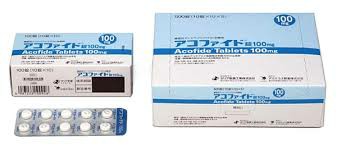
In terms of indications, Mosapride entered the market earlier and is widely used in a variety of diseases related to gastrointestinal insufficiency, including functional dyspepsia, dyspepsia caused by chronic gastritis, diabetic gastroparesis, and some constipation-type intestinal dysfunction. Acotiamide is a relatively new drug that focuses on functional dyspepsia, especially symptoms such as postprandial fullness, epigastric discomfort, and early satiety. In other words, mosapride has a wider scope of application, but acotiamide is more precisely positioned, mainly targeting the special group of functional dyspepsia.
There are also differences between the two in terms of drug safety and tolerability. Mosapride is well tolerated by most patients, but long-term use may cause side effects such as electrocardiogram changes, mild diarrhea, or abdominal discomfort. It is particularly risky for cardiovascular function, so its use is restricted in some countries. Because of its unique mechanism, acotiamide has a relatively low incidence of side effects and is especially safer in cardiovascular aspects. However, it may cause adverse reactions such as mild abdominal distension and nausea in some patients, and there is currently a lack of empirical data on ultra-long-term use. Overall, acotiamide has a milder tolerability and is more suitable for patients with functional dyspepsia who require long-term treatment.
In terms of drug supply and market, Mosapride has long been on the market in China and has been included in the medical insurance catalog. Patients can easily obtain it in hospitals or pharmacies at relatively low prices. Acotiamide has not yet been launched in mainland China and is only sold in Japan, Russia and other countries. Domestic patients who need to use it often need to purchase it through cross-border channels or overseas medical channels. Therefore, from the perspective of accessibility and cost, mosapride is easier to obtain, while acotiamide is currently mainly applicable to some qualified patient groups due to restrictions on import channels.
In addition, the two have different clinical application strategies. For patients who experience indigestion symptoms for the first time, doctors often prefer traditional prokinetic drugs such as mosapride because of their low price and rich experience in use. For patients with functional dyspepsia who have long-term recurring attacks and poor efficacy of conventional drugs, acotiamide, as an innovative drug, provides a new treatment option for these refractory people. Therefore, the two are not simply substitutes, but complementary uses based on the condition and individual characteristics.
Reference: https://www.rad-ar.or.jp/siori/english/search/result?n=33322
[ 免责声明 ] 本页面内容来自公开渠道(如FDA官网、Drugs官网、原研药厂官网等),仅供持有医疗专业资质的人员用于医学药学研究参考,不构成任何治疗建议或药品推荐。所涉药品可能未在中国大陆获批上市,不适用于中国境内销售和使用。如需治疗,请咨询正规医疗机构。本站不提供药品销售或代购服务。


