
.jpeg)
Which one is more effective, Deflazacort or Prednisone?
Deflazacort and Prednisone are both glucocorticoid drugs and are widely used in the treatment of immune diseases, chronic inflammation, allergic diseases and Duchenne muscular dystrophy. Although the two belong to the same category in terms of pharmacological mechanisms, there are certain differences in clinical application. These differences are mainly reflected in the safety, tolerability and long-term management strategies of the drugs.
First of all, from the perspective of pharmacological properties, deflazacort is a derivative of prednisone. After structural optimization, it can exert anti-inflammatory and immune effects while reducing the impact on bone metabolism and water and sodium retention. Although prednisone has reliable short-term anti-inflammatory and immunosuppressive effects, long-term use may cause side effects such as osteoporosis, weight gain, hypertension, and abnormal blood sugar. Deflazacort has a better bone protective effect at the same anti-inflammatory dose, so deflazacort has become the drug of choice for patients who require long-term use of glucocorticoids.
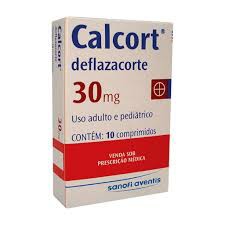
In the treatment of muscular dystrophy (especiallyDuchenne muscular dystrophy, DMD), deflazacort has shown similar or even slightly better efficacy than prednisone. A number of overseas studies and guidelines suggest that deflazacort is more suitable for the long-term management of children and adolescent patients due to its lower bone mass and metabolic burden for long-term maintenance of patients' muscle strength and delaying the occurrence of complications. Although prednisone can also improve muscle strength in the short term, long-term use can easily cause growth inhibition and metabolic abnormalities, so strict monitoring is required during the continued medication regimen.
From a safety perspective, deflazacort has advantages in reducing common side effects of glucocorticoids. For example, deflazacort has less effect on sodium and water retention and is therefore safer in patients who require long-term maintenance of stable blood pressure. In addition, its effects on blood glucose and lipid metabolism are relatively low, which is particularly important for patients at risk for metabolic syndrome or diabetes. When prednisone is used at high doses and for a long time, blood pressure, blood sugar, bone density and other indicators need to be closely monitored to prevent potential complications.
However, it should be emphasized that drug selection should be determined based on the patient's specific disease type, severity of illness, and individual tolerance. For acute inflammation or the need for short-term immunosuppression, prednisone remains a commonly used and economically viable option. In patients with chronic diseases or children who require long-term maintenance treatment, deflazacort is more suitable as the first choice because of its lower risk of long-term adverse reactions.
In addition, there are certain differences in dose conversion between deflazacort and prednisone, which usually require individualized adjustments by doctors based on disease type, weight, age and disease progression. A reasonable dosage regimen not only ensures efficacy but also minimizes the risk of side effects. Combining lifestyle intervention, nutritional support and regular follow-up can further enhance the treatment effect and improve the patient's quality of life.
Taken together, deflazacort and prednisone are roughly equivalent in anti-inflammatory and immunosuppressive effects, but deflazacort has better safety and tolerability in terms of long-term management, pediatric patients, and chronic disease protection.
Reference: https://www.drugs.com/mtm/deflazacort.html
[ 免责声明 ] 本页面内容来自公开渠道(如FDA官网、Drugs官网、原研药厂官网等),仅供持有医疗专业资质的人员用于医学药学研究参考,不构成任何治疗建议或药品推荐。所涉药品可能未在中国大陆获批上市,不适用于中国境内销售和使用。如需治疗,请咨询正规医疗机构。本站不提供药品销售或代购服务。


