
.jpeg)
Interactions and risk analysis of co-administration between Mavakatai and other drugs
Mavakate is an oral myocardial inhibitor, mainly used for patients with hypertrophic cardiomyopathy (HCM). It can improve left ventricular outflow tract obstruction and cardiac function by inhibiting myocardial contractility. This drug is mainly metabolized by the CYP2C19 and CYP3A4 enzyme systems in the liver. Therefore, combined use with other drugs metabolized by the same enzyme system may cause the blood concentration to increase or decrease, affecting the efficacy or increasing the risk of adverse reactions.
When Mavaceta is combined with potentCYP3A4 inhibitors (such as ketoconazole, clarithromycin), the blood concentration may increase significantly, increasing the risk of cardiovascular adverse events such as hypotension, heart failure, arrhythmia, etc. On the contrary, if it is used together with CYP3A4 inducers (such as rifampin, carbamazepine), drug metabolism will be accelerated and blood drug concentration will be reduced, which may lead to insufficient efficacy. Therefore, it is necessary to adjust the dose or consider alternative drugs when using combined drugs, and strengthen blood drug monitoring.
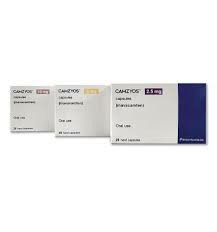
Mavakate itself can reduce myocardial contractility. If used in combination with beta blockers, calcium channel blockers or powerful diuretics, there may be a risk of decreased blood pressure, bradycardia or low cardiac output. At the same time, when using antiarrhythmic drugs (such as amiodarone), you also need to be alert to changes in electrocardiogram and prolongation of the QT interval. Clinically, doctors should rationally adjust the combined medication regimen according to the patient's cardiac function status, and closely monitor blood pressure and heart rate.
In order to reduce the risk of combining Mavaceta with other drugs, the principles of individualized dose adjustment, drug interaction assessment and regular heart function monitoring should be followed. Before initiating new drug treatment, the patient's drug history should be fully evaluated and concomitant use with drugs that strongly inhibit or induce enzymes should be avoided. During combined use, it is recommended that echocardiography, electrocardiography and blood pressure monitoring be performed regularly, and the dosage be adjusted in a timely manner based on blood drug concentration and clinical response. Through scientific management, potential risks can be minimized while ensuring efficacy.
Reference materials:https://www.drugs.com/
[ 免责声明 ] 本页面内容来自公开渠道(如FDA官网、Drugs官网、原研药厂官网等),仅供持有医疗专业资质的人员用于医学药学研究参考,不构成任何治疗建议或药品推荐。所涉药品可能未在中国大陆获批上市,不适用于中国境内销售和使用。如需治疗,请咨询正规医疗机构。本站不提供药品销售或代购服务。


