
.jpeg)
Comparison of the mechanism of action and clinical effects of donepezil (Aricept) and rivastigmine
1. Drug overview and indications
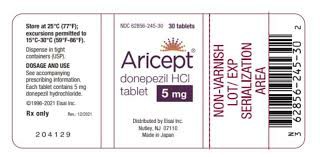
Donepezil (trade name Aricept) and rivastigmine (Carbalatin) are both drugs used for Alzheimer's disease (AD) and other mild to moderate cognitive impairment, but their mechanisms of action and clinical characteristics are different. Donepezil is a reversible acetylcholinesterase (AChE) inhibitor that inhibits the degradation of acetylcholine and increases the concentration of cholinergic neurotransmitters in the brain, thereby improving cognitive function and memory. Rivastigmine is a multi-target neuroprotective agent that not only has a mild inhibitory effect on AChE, but can also regulate glutamate receptors, neuroinflammatory responses and free radical scavenging, and has a comprehensive effect on cognitive function and nerve cell protection.
2. Comparison of action mechanisms
donepezil mechanism
Donepezil selectively inhibits AChE in the central nervous system, prolongs the action time of acetylcholine in the synaptic cleft, and enhances cholinergic nerve signal transmission. This mechanism mainly targets cognitive and memory disorders and can improve patients' short-term memory, attention and daily living abilities, but has limited impact on the progression of neurodegeneration itself.
rivastigmine mechanism
Rivastigmine has a wider range of effects. In addition to mildly inhibiting AChE, it can also regulate excitotoxicity caused by excessive activation of NMDA receptors and reduce nerve cell damage. At the same time, it has antioxidant, anti-inflammatory and neuroprotective effects, helping to slow down the neurodegenerative process of Alzheimer's disease. Therefore, while improving cognitive function, rivastigmine may also delay disease progression, which is particularly beneficial for patients with moderate to severe AD.
3. Comparison of clinical effects
The efficacy of donepezil
Clinical studies have shown that donepezil can significantly improve scores on cognitive function scales (such as MMSE, ADAS-Cog) and delay the decline in daily living abilities in patients with mild to moderate AD. Patients' memory, attention and language functions improved in the short term (6-12 months), but the long-term effects gradually weakened and could not prevent disease progression.
The efficacy of rivastigmine
In clinical studies, Rivastigmine not only improved cognitive scores, but also had a certain protective effect on the rate of neurological decline and brain imaging indicators . Compared with simple AChE inhibitors, it has advantages in controlling neuroinflammation and reducing oxidative stress, and can provide more comprehensive cognitive protection for some moderate to severe patients. In addition, rivastigmine also has a certain improvement effect on some behavioral and psychological symptoms (such as anxiety and mild depression).
4. Side Effects and Safety Comparison
donepezil side effects
Common adverse reactions include Nausea, vomiting, diarrhea, insomnia and slowed heart rate, which mostly occur in the early stages of medication. The overall tolerance is good, but in elderly patients or people with concomitant heart disease, heart rate and blood pressure need to be carefully monitored.
Rivastigmine side effects
Rivastigmine side effects are generally mild and include Mild gastrointestinal upset, dizziness, and drowsiness. Due to its milder mechanism of action and neuroprotective effect, it is better tolerated for long-term use, but attention should be paid to dose adjustment in patients with liver and kidney dysfunction.
5. Comprehensive analysis and clinical selection
In general, donepezil aims to improve cognitive symptoms and is suitable for patients with mild to moderate AD. It has rapid and short-term effects, but has limited control over disease progression. Rivastigmine balances cognitive improvement and neuroprotection, especially in moderate to severe patients and when it is necessary to delay the neurodegenerative process. Clinically, single drug or combination drug strategies can be selected based on the patient's disease stage, accompanying symptoms, and tolerance to achieve the dual goals of improving cognitive function and delaying disease progression.
Reference materials:https://www.drugs.com/
[ 免责声明 ] 本页面内容来自公开渠道(如FDA官网、Drugs官网、原研药厂官网等),仅供持有医疗专业资质的人员用于医学药学研究参考,不构成任何治疗建议或药品推荐。所涉药品可能未在中国大陆获批上市,不适用于中国境内销售和使用。如需治疗,请咨询正规医疗机构。本站不提供药品销售或代购服务。


