
.jpeg)
How to safely use ponatinib and dosage adjustment recommendations in patients with hepatic insufficiency
Ponatinib (Ponatinib) is a third-generation BCR-ABL tyrosine kinase inhibitor, mainly used to treat chronic myelogenous leukemia (CML) and Philadelphia Chromosome-positive acute lymphoblastic leukemia (Ph+ ALL). The drug is mainly biotransformed through liver metabolism, especially the CYP3A4 enzyme system. Therefore, patients with hepatic insufficiency may have weakened drug metabolism and increased blood drug concentrations, increasing the risk of hepatotoxicity and other adverse reactions.
When patients with hepatic insufficiency use ponatinib, they should follow the principle of individualized medication . A comprehensive liver function assessment (including ALT, AST, total bilirubin and liver imaging examinations) is required before treatment, and the initial dose and monitoring frequency are determined according to the liver function grade (mild, moderate, severe). Clinically, it is recommended that patients with mild hepatic impairment can maintain the standard dose, but patients with moderate to severe hepatic impairment should be cautious and consider reducing the dose or extending the dosing interval if necessary.
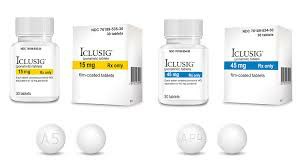
Mild hepatic insufficiency (Child-Pugh A): Generally, conventional doses can be used, but liver function monitoring needs to be strengthened.
Moderate hepatic impairment (Child-Pugh B): It is recommended that the initial dose be reduced to 50%-75% of the original dose, and liver function should be monitored weekly or every two weeks during the early stages of treatment.
Severe hepatic insufficiency (Child-Pugh C): Use ponatinib with caution or with caution. If it is really necessary to use it, the minimum dose should be tried under the guidance of a specialist, and liver function and blood drug concentration should be closely monitored.
During treatment, patients with hepatic insufficiency need regular hematology and liver function monitoring. Once ALT/AST or total bilirubin rises more than 2-3 times the normal value, the dose should be suspended or reduced in time, and drug correlation evaluated. Patients should avoid concurrent use of other hepatotoxic drugs or CYP3A4 inhibitors to reduce the risk of adverse reactions. At the same time, reasonable dosage adjustment based on clinical symptoms and laboratory indicators can ensure the efficacy while minimizing safety risks.
Reference materials:https://www.drugs.com/
[ 免责声明 ] 本页面内容来自公开渠道(如FDA官网、Drugs官网、原研药厂官网等),仅供持有医疗专业资质的人员用于医学药学研究参考,不构成任何治疗建议或药品推荐。所涉药品可能未在中国大陆获批上市,不适用于中国境内销售和使用。如需治疗,请咨询正规医疗机构。本站不提供药品销售或代购服务。


