
.jpeg)
Is Rucaparib included in medical insurance reimbursement?
Rucaparib's global application scope is mainly concentrated in the field of gynecological malignant tumors such as ovarian cancer, fallopian tube cancer and peritoneal cancer. It is especially suitable for patients with BRCA mutations and patients who have relapsed after platinum-based chemotherapy. In these groups, rucapanib, as a maintenance treatment drug, can delay disease progression and improve patients' progression-free survival. With the advancement of clinical research, its efficacy in prostate cancer and other solid tumors has gradually been verified, showing broad clinical application prospects.
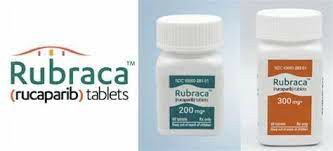
However, in the Chinese mainland market, rucapanib has not yet been officially launched and is therefore not included in the medical insurance reimbursement list. This means that patients cannot obtain cost subsidies through the domestic medical insurance system and can only rely on self-pay or overseas purchases. In contrast, in the European and American markets, rucapanib has entered the clinical application system and is expected to be covered by medical insurance or commercial insurance in some countries and regions, thus reducing the financial burden on patients.
It is worth noting that China has made frequent moves in the introduction of anti-cancer drugs and medical insurance negotiations in recent years. For example, several otherPARP inhibitors have successfully entered the Chinese market and been included in medical insurance, which shows that the country is paying increasing attention to innovative anti-cancer drugs. Although Rucapani has not yet entered the country, judging from policy trends, it is likely to gradually complete approval and introduction in the future. Once it obtains marketing qualifications, it also has the potential to be included in medical insurance negotiations.
Currently, for Chinese patients, if they really need rucapani treatment, they can only obtain it through cross-border medical services or overseas pharmacies. However, it is relatively expensive, cannot be reimbursed, and the financial burden is heavy. Therefore, the biggest limiting factor for the application of rucapanib in China is not the efficacy, but accessibility and cost. As international new drugs accelerate their entry into the Chinese market, this situation is expected to improve in the next few years.
Reference materials:https://www.drugs.com/mtm/rucaparib.html
[ 免责声明 ] 本页面内容来自公开渠道(如FDA官网、Drugs官网、原研药厂官网等),仅供持有医疗专业资质的人员用于医学药学研究参考,不构成任何治疗建议或药品推荐。所涉药品可能未在中国大陆获批上市,不适用于中国境内销售和使用。如需治疗,请咨询正规医疗机构。本站不提供药品销售或代购服务。


