
.jpeg)
Key points of home care and daily management during Tepotinib (Tuodekang) treatment
Tepotinib is mainly used clinically to treat patients with non-small cell lung cancer carrying MET exon 14 skipping mutations. While patients are receiving tepotinib treatment, home care and daily management are very important, because reasonable lifestyle and medication habits can not only help improve the efficacy, but also reduce the occurrence of adverse reactions. First of all, patients should strictly follow the doctor's instructions to take the medicine regularly and avoid missing a dose or stopping the medicine without authorization. If a dose is missed due to special circumstances, the patient should consult a doctor in time and do not double the dose on your own. In addition, patients should try to take medications at the same time every day to maintain stable drug concentrations in the body.
Dietary management also needs attention during tepotinib treatment. Patients are advised to maintain a light diet and avoid excessive intake of high-fat, high-salt or irritating foods to reduce gastrointestinal adverse reactions. Tepotinib may cause loss of appetite or nausea, so easily digestible and nutritionally balanced foods should be properly prepared in home care, and frequent small meals can help maintain energy intake. At the same time, it is also crucial to maintain adequate drinking water, which not only promotes drug metabolism, but also helps reduce the occurrence of side effects such as edema.
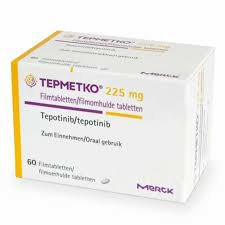
In daily management, monitoring physical condition cannot be ignored. During tepotinib treatment, some patients may develop peripheral edema, abnormal liver function indicators, or the risk of interstitial lung disease. Therefore, family members should assist patients to regularly review blood, biochemical indicators, and imaging examinations. If they experience dyspnea, significant weight gain in a short period of time, or leg swelling, they should seek medical treatment promptly. At the same time, basic health monitoring can be performed at home, such as measuring weight and observing whether the calf is swollen, to help doctors determine treatment response and adverse events.
Finally, psychological support and reasonable arrangements for daily life are equally important to patients. Long-term targeted therapy may cause patients to suffer from anxiety, insomnia or depression. Family members should provide adequate care and support, and seek psychological counseling when necessary. At the same time, patients are advised to maintain moderate physical activity, such as light walking or gentle stretching, to enhance physical strength and improve quality of life. Through the dual combination of drug treatment and home care, the therapeutic advantages of tepotinib can be maximized and help patients better cope with disease challenges.
Reference materials:https://www.drugs.com/
[ 免责声明 ] 本页面内容来自公开渠道(如FDA官网、Drugs官网、原研药厂官网等),仅供持有医疗专业资质的人员用于医学药学研究参考,不构成任何治疗建议或药品推荐。所涉药品可能未在中国大陆获批上市,不适用于中国境内销售和使用。如需治疗,请咨询正规医疗机构。本站不提供药品销售或代购服务。


