
.jpeg)
Is sotoracib (AMG 510) combined with PD-1 immunotherapy more effective?
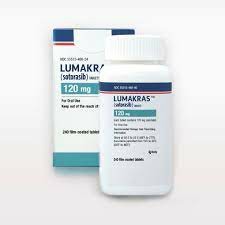
Sotorasib (Sotorasib) is an oral targeted drug targeting KRAS G12C mutation. It is mainly used for patients with advanced non-small cell lung cancer. In recent years, researchers have begun to explore the therapeutic potential of sotorasib in combination with PD-1 immune checkpoint inhibitors. Theoretically, drugs targeting KRAS mutations can inhibit tumor growth, while PD-1 inhibitors enhance the anti-tumor effect by activating T cell immune responses. The two mechanisms of action are complementary and are expected to achieve better therapeutic effects.
In clinical trials and early-stage studies, preliminary data from combination therapy show that some patients can achieve higher objective response rates and disease control rates than monotherapy. For example, some studies have found that patients treated with sotoraxib combined with PD-1 inhibitors had more significant tumor shrinkage, and the median progression-free survival (PFS) of some patients was prolonged, suggesting that combination therapy has certain potential in improving efficacy.
However, combination therapy may also carry additional risks. Since PD-1 inhibitors themselves may cause immune-related adverse reactions, such as rash, abnormal liver function, enteritis, etc., when used in combination with sotoraxib, blood indicators, liver and kidney functions, and immune-related symptoms need to be closely monitored. Some patients may experience superimposed side effects, so in clinical practice, combined medication should be adjusted individually under the guidance of a professional doctor.
In general, sotorasiib combined with PD-1 immunotherapy shows potential advantages in theoretical mechanisms and early clinical data, and may improve the response rate and survival benefit of patients with KRAS G12C mutated advanced lung cancer. However, as the data are still relatively limited, more large-scale, randomized controlled trials are needed to verify the efficacy and safety of the combination regimen. During clinical application, the patient's physical condition, previous treatment history and tolerance should be fully assessed, and a combined treatment plan should be scientifically formulated in order to obtain the best effect.
Reference materials:https://www.drugs.com/
[ 免责声明 ] 本页面内容来自公开渠道(如FDA官网、Drugs官网、原研药厂官网等),仅供持有医疗专业资质的人员用于医学药学研究参考,不构成任何治疗建议或药品推荐。所涉药品可能未在中国大陆获批上市,不适用于中国境内销售和使用。如需治疗,请咨询正规医疗机构。本站不提供药品销售或代购服务。


