
.jpeg)
Interpretation of the efficacy and price of the cancer targeted drug Lorlatinib: the medication and purchasing guide that patients are most concerned about
1. Background of lung cancer hot spots:ALKThe number of patients positive for ALK is increasing rapidly, and there is an urgent need for targeted drugs
The treatment paradigm for non-small cell lung cancer (NSCLC) has changed dramatically over the past decade. Although traditional chemotherapy and radiotherapy have improved patient survival to a certain extent, they have severe side effects and a high recurrence rate. With the popularity of molecular targeted therapy and genetic testing, more and more patients are diagnosed with ALK (anaplastic lymphoma kinase) or ROS1 gene rearrangements. Such patients are typically younger, more likely to be female, and less susceptible to traditional treatments.
According to the 2023 Lancet Oncology report, the detection rate of ALK-positive lung cancer in Asia has been increasing year by year, and the detection rate even exceeds 5% in some young non-smoking women. This means that a considerable proportion of new lung cancer patients every year will become potential beneficiaries of ALK targeted therapy.
However,ALK inhibitors were not perfect from the start. After the clinical application of the first-generation crizotinib, although it is significantly better than chemotherapy, most patients will develop drug resistance in about 12 months, and some patients will also develop brain metastasis. Subsequently, second-generation drugs such as alectinib and brigatinib were launched one after another. Although they delayed the time of resistance, they still had problems of insufficient coverage of mutations and poor control of brain metastasis.
In this context, lorlatinib (Lorlatinib), as a third-generation ALK/ROS1 inhibitor, has become a key part of ALK targeted therapy due to its broad-spectrum resistance to drug-resistant mutations and strong central nervous system penetration, and has quickly been recommended by global guidelines.
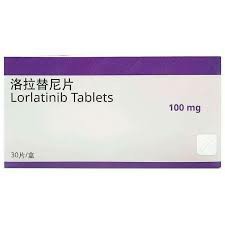
2. Pharmacological mechanism and advantages of lorlatinib
1. Mechanism principle
Lorlatinib is a highly effective third-generation drug ALK/ROS1Tyrosine kinase inhibitors (TKI) have the following significant advantages compared with the previous two generations of drugs:
Overcome resistance mutations: Able to suppress more than 10common ALK resistance mutations, including the most difficult to treat G1202R mutation.
Penetrating the blood-brain barrier: The drug molecule is designed to smoothly enter the central nervous system (CNS) and effectively control brain metastases. This is a shortcoming of the previous first and second generation ALK inhibitors.
Broad-spectrum targeting effect: Not only effective for ALK positive patients, but also for patients with ROS1 gene rearrangements.
2. Clinical trial data
CROWNResearch (Phase III clinical)
The study shows that the median PFS of patients with ALKpositive NSCLC has not yet been reached in the first-line treatment of lorlatinib, while the control group crizotinib was 9.3 months. At two years, 78% of patients in the lorlatinib group had not progressed, which was much better than the 39% in the crizotinib group.
Intracranial efficacy data
In patients with brain metastases, the intracranial objective response rate (iORR) of lorlatinib is as high as 82%, of which more than 70% patients achieve complete response, which is significantly better than the second-generation ALK inhibitors.
long term follow up
Follow-up data of more than three years show that more than50% of patients still have good disease control after using lorlatinib, which is of great significance for patients with advanced lung cancer.
3. Safety and adverse reactions
Common adverse reactions include:
Dyslipidemia: Some patients will experience elevated cholesterol or triglycerides and require the assistance of lipid-lowering drugs.
Central nervous system symptoms: include mild cognitive changes, mood swings, or slowed speech reactions, but most are reversible.
Weight gain and edema: Some patients gain weight rapidly and require dietary management.
Overall, the safety profile of lorlatinib is manageable, and clinicians often help patients tolerate treatment through monitoring and dose adjustments.

3. The launch and price of lorlatinib at home and abroad
1. Domestic listing and medical insurance situation
Lorlatinib has been approved for marketing in mainland China in recent years and has been successfully included in the national medical insurance directory. Patients can purchase it with a prescription at most tertiary hospital pharmacies across the country.
Domestic market price: one box costs between 1~2 RMB 10,000.
After medical insurance reimbursement: the actual payment will drop significantly. Different provinces and cities have different reimbursement ratios. Generally, the patient's out-of-pocket portion can be reduced to several thousand yuan.
2. Overseas markets and price comparison
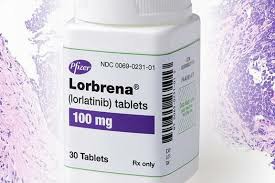
Turkish original drug: about 7000yuan/ box, purchased in large quantities among overseas patients.
Original drugs from Hong Kong, China: The price is relatively high, up to 3 RMB / box, and some patients purchase it through cross-border medical treatment.
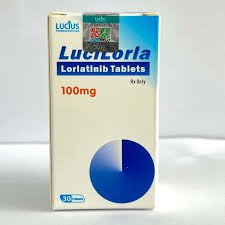
Laos generic drugs: the lowest price, about 1000~2000yuan/ box, the drug ingredients are basically the same as the original drugs.
3. Channels for patients to purchase drugs
Domestic formal channels: the safest, reimbursable by medical insurance, recommended as the first choice.
Cross-border drug purchase: You need to carefully choose regular hospitals or pharmacies and avoid gray channels.
Generic drug channels: only suitable for patients under extreme financial pressure. It is recommended to use regular pharmaceutical agents or cross-border medical companies to avoid buying counterfeit drugs.
4. Real patients’ medication experience and common problems
1. Patient Cases
CaseA: 45 female developed drug resistance and brain metastasis after treatment with alectinib. After switching to lorlatinib, the tumor shrank significantly and the intracranial lesions disappeared. The current medication remains stable for 18 months.
CaseB: 52 male, ALKpositive lung cancer was diagnosed, lorlatinib was used as the first line. During a review half a year later, the tumor was significantly reduced by 70%, and the quality of life was greatly improved. The only side effect was increased blood lipids, which was well controlled by lipid-lowering drugs.
2. Patient FAQ
Q1: Who is lorlatinib suitable for?
A: Suitable for ALK or ROS1 positive NSCLC patients, especially those who have been resistant to first or second generation ALK inhibitors or have brain metastases.
Q2: How long will it take to see the effect?
A: Some patients can see tumor shrinkage or symptom improvement within 4~8 weeks, which varies from person to person.
Q3: Is long-term medication safe?
A: It can be used for a long time, but blood lipids, liver and kidney function and electrocardiogram need to be monitored regularly, and the dose should be adjusted if necessary.
Q4: How much can medical insurance reimburse?
A: According to the medical insurance policies of different regions, the reimbursement ratio is between It ranges from 60% to 80% It is recommended that patients consult the local medical insurance bureau or hospital pharmacy.
5. Future Prospects: Clinical Prospects of Lorlatinib
With the in-depth research on targeted therapy, the application prospects of lorlatinib are not limited toALK positive lung cancer:
ROS1positive patients: It has shown good efficacy in multiple studies and may become a key option for ROS1positive patients.
Combination treatment model: Combination with immunotherapy and chemotherapy is being explored to delay drug resistance and improve overall survival.
Expanded indications: In the future, it may be used for some ALK/ROS1 related rare cancer types, and even as adjuvant treatment to help patients benefit in the early stages.
6. Summary
Lorlatinib, as the third generationALK/ROS1 targeted drug, is a milestone in the global treatment of lung cancer. With its unique advantages of overcoming drug resistance and controlling brain metastasis, the survival prognosis of ALK-positive patients has been greatly improved.
Currently, lorlatinib has been launched in the country and has been included in medical insurance, with a price of approximately 1~210,000 yuan/ box, the actual burden on patients has dropped significantly after reimbursement; there is a significant price difference in overseas markets, and the Turkish original drug is about
For patients, how to choose appropriate drug purchase channels and reduce financial pressure while ensuring efficacy and safety is the most important issue. As more clinical studies advance, lorlatinib is expected to play a greater role in more cancer types and combination treatments in the future.
xa0
References
1.Solomon BJ, et al. Lorlatinib versus Crizotinib in the First-Line Treatment of Advanced ALK-Positive NSCLC (CROWN Trial). NEJM, 2020.
2.Shaw AT, et al. Efficacy of Lorlatinib in Patients with ALK-Positive NSCLC and Brain Metastases. JCO, 2021.
3.National Food and Drug Administration (NMPA) drug registration database
4.National Medical Insurance Administration: "National Basic Medical Insurance Drug Catalog (2023 Edition)"
[ 免责声明 ] 本页面内容来自公开渠道(如FDA官网、Drugs官网、原研药厂官网等),仅供持有医疗专业资质的人员用于医学药学研究参考,不构成任何治疗建议或药品推荐。所涉药品可能未在中国大陆获批上市,不适用于中国境内销售和使用。如需治疗,请咨询正规医疗机构。本站不提供药品销售或代购服务。


