
.jpeg)
What are the main targets of Sorafenib/Nexavar and how do they work?
Sorafenib/Nexavar(Sorafenib) is a multi-target oral small molecule kinase inhibitor that is widely used in the treatment of malignant tumors such as advanced kidney cancer, liver cancer, and differentiated thyroid cancer. The unique feature of its mechanism of action is that it inhibits multiple signaling pathways at the same time, thereby blocking the proliferation and angiogenesis of tumor cells. As one of the first approved multi-target tyrosine kinase inhibitors, the clinical significance of sorafenib is not only to prolong the survival of patients, but also to lay the foundation for the popularization of targeted therapy.
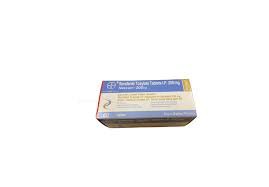
At the molecular level, the main targets of sorafenib includeRaf kinase family, VEGFR (vascular endothelial growth factor receptor), PDGFR (platelet-derived growth factor receptor), KIT and FLT3, etc. The Raf/MEK/ERK pathway is an important regulatory axis for cell proliferation and differentiation, and excessive activation often leads to unrestricted growth of tumor cells. Sorafenib effectively interrupts this signaling and prevents the continued proliferation of cancer cells by inhibiting Raf kinase. At the same time, its inhibitory effect on VEGFR-2, VEGFR-3 and PDGFR can significantly reduce tumor angiogenesis and block the nutrient supply that tumors rely on for survival. This "dual mechanism" enables it to not only directly inhibit cancer cell growth, but also indirectly inhibit tumor progression through anti-angiogenesis.
In addition, sorafenib can also act on receptor kinases such asKIT and FLT3, which may also have potential benefits for some tumor patients carrying specific mutations. This multi-target feature enables it to have a wider range of indications in clinical practice and demonstrate certain efficacy in a variety of tumor types. Although sorafenib has brought a breakthrough in targeted therapy, its application is also accompanied by certain adverse reactions. Common side effects include diarrhea, hand-foot skin reactions, fatigue, rash, and high blood pressure. These reactions are often closely related to their mechanism of action. For example, VEGFR inhibition often results in increased blood pressure, while effects on skin keratinocytes may cause hand-foot syndrome.
Reference materials:https://www.nexavar.com/
[ 免责声明 ] 本页面内容来自公开渠道(如FDA官网、Drugs官网、原研药厂官网等),仅供持有医疗专业资质的人员用于医学药学研究参考,不构成任何治疗建议或药品推荐。所涉药品可能未在中国大陆获批上市,不适用于中国境内销售和使用。如需治疗,请咨询正规医疗机构。本站不提供药品销售或代购服务。


