
.jpeg)
Analysis of the Differences, Advantages and Disadvantages of Brigatinib/Brigatinib and Cabozantinib
Brigatinib/Brigatinib (Brigatinib) and cabozantinib (Cabozantinib) are both oral small molecule drugs that have important value in the field of targeted therapy in recent years. However, there are significant differences in their mechanisms of action, indications, clinical applications and tolerability. For doctors and patients, understanding the difference between the two helps to choose the most appropriate treatment plan and achieve personalized and precise treatment.
Brigatinib is a second-generation irreversibleALK tyrosine kinase inhibitor, mainly used to treat patients with ALK fusion-positive non-small cell lung cancer (NSCLC). Its ability to irreversibly bind to ALK kinase enables it to effectively inhibit the ALK signaling pathway and has a good inhibitory effect on certain drug-resistant mutations. The advantage of brigatinib is that it has wide coverage of drug-resistant mutations and can delay disease progression. It is especially suitable for patients who have developed resistance after first-time use or previous generation ALK inhibitor treatment. At the same time, brigatinib is convenient to take orally, and the initial dose and maintenance dose are reasonably designed to facilitate long-term continuous use.
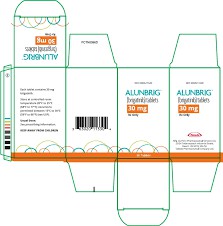
In contrast, cabozantinib is a multi-target receptor tyrosine kinase inhibitor (TKI) that can inhibit multiple signaling pathways including VEGFR, MET, AXL, RET, and KIT. Cabozantinib's indications are broader, covering solid tumors such as advanced renal cell carcinoma, medullary thyroid carcinoma, and certain metastatic liver cancers. Its advantage is that it can act on angiogenesis and tumor cell proliferation pathways at the same time, providing an effective treatment option for a variety of solid tumors and drug-resistant cases. In addition, cabozantinib shows good systemic efficacy in the treatment of advanced diseases, especially in inhibiting the tumor microenvironment and metastases.
There are also differences in tolerance between the two. Common adverse reactions of brigatinib include mild to moderate rash, diarrhea, stomatitis, mild liver function abnormalities, and blood pressure fluctuations, which can usually be effectively managed through dose adjustment and symptomatic treatment. Cabozantinib has a broad spectrum of adverse reactions, with common symptoms including hypertension, fatigue, hand-foot syndrome, gastrointestinal symptoms, and hematological abnormalities. Some patients may require more frequent monitoring and dose adjustment. Overall, brigatinib has slightly better long-term tolerability and is especially suitable for patients with non-small cell lung cancer who require long-term oral maintenance therapy, while cabozantinib is suitable for multi-line treatment of different solid tumors and complex conditions due to its multi-target properties.
There are also differences in price and market accessibility. The original drug of brigatinib has been launched in China and is included in Class B medical insurance. The price of the original drug overseas is relatively high, but more economical options are available through generic drugs in some areas. Cabozantinib is also available in the domestic market, and some indications are covered by medical insurance, but the price varies depending on the dosage and specifications. Globally, the price and accessibility of both are greatly affected by policies, medical insurance and the supply of generic drugs.
In summary, brigatinib and cabozantinib each have their own advantages and scope of application. Brigatinib focuses onALK fusion non-small cell lung cancer, and has the characteristics of wide coverage of drug-resistant mutations, easy oral administration, and good tolerance. Cabozantinib has a wide range of multi-target effects and is suitable for a variety of solid tumors and drug-resistant cases, but requires higher tolerance management.
Reference materials:https://www.alunbrig.com/
[ 免责声明 ] 本页面内容来自公开渠道(如FDA官网、Drugs官网、原研药厂官网等),仅供持有医疗专业资质的人员用于医学药学研究参考,不构成任何治疗建议或药品推荐。所涉药品可能未在中国大陆获批上市,不适用于中国境内销售和使用。如需治疗,请咨询正规医疗机构。本站不提供药品销售或代购服务。


