
.jpeg)
What are the possible side effects and hazards of ibrutinib/Eco?
Ibrutinib/Ibrutinib (Ibrutinib) is an oral Bruton's tyrosine kinase (BTK) inhibitor, widely used in the treatment of chronic lymphocytic leukemia (CLL), mantle cell lymphoma (MCL), small lymphocytic lymphoma (SLL) and Waldenstrom's macroglobulinemia and other B cell-related diseases. BTK plays a key role in the B cell receptor signaling pathway. By inhibiting its activity, ibrutinib can block abnormal B cell proliferation and survival, thereby achieving disease control. However, as a targeted drug, the use of ibrutinib may also be associated with certain adverse reactions and potential hazards.
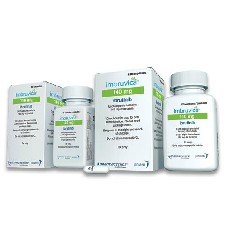
In clinical practice, the most common side effects of ibrutinib include bleeding tendency, abnormal platelet function, mild to moderate arrhythmia, gastrointestinal discomfort, rash, fatigue, joint and muscle pain, diarrhea, nausea, and decreased appetite. Most of these side effects can be controlled through dose adjustment or symptomatic treatment, but in a small number of patients, serious or life-threatening adverse events may occur. In particular, bleeding events, including nosebleeds, gum bleeding, and skin ecchymosis, need to be taken seriously and used with caution when anticoagulants or antiplatelet drugs are combined.
In addition, long-term use of ibrutinib may have effects on the cardiovascular system, such as an increased risk of atrial fibrillation or arrhythmia, especially in patients with previous cardiovascular disease. Therefore, cardiac evaluation needs to be performed before taking the drug, and electrocardiogram and heart rate should be monitored regularly during treatment. Adverse reactions related to the immune system also require attention. Some patients may have an increased risk of infection, such as respiratory or urinary tract infections, which is related to inhibition of B cell function.
In terms of laboratory indicators, ibrutinib may cause changes in white blood cells, platelets, and hemoglobin levels, and liver function indicators such as alanine aminotransferase (ALT) or aspartate aminotransferase (AST) may increase. Therefore, patients need to regularly monitor hematology and liver and kidney function indicators during the medication period in order to detect abnormalities in time and adjust the treatment plan.
Reference materials:https://www.imbruvica.com/
[ 免责声明 ] 本页面内容来自公开渠道(如FDA官网、Drugs官网、原研药厂官网等),仅供持有医疗专业资质的人员用于医学药学研究参考,不构成任何治疗建议或药品推荐。所涉药品可能未在中国大陆获批上市,不适用于中国境内销售和使用。如需治疗,请咨询正规医疗机构。本站不提供药品销售或代购服务。


