
.jpeg)
Reducing JAK2 allele burden in patients with polycythemia vera with ruxolitinib tablets/Jakavi or interferon alfa-2b
In recent medical research, Polycythemia Vera (PV), as a chronic myeloproliferative disease, has received widespread attention. There are too many red blood cells in the body of PV patients, resulting in increased blood viscosity, which can lead to a series of complications, including thrombosis and splenomegaly. In terms of treatment, Ruxolitinib tablets/Ruxolitinib (Ruxolitinib) and ropeginterferon-alfa-2b (trade name Besremi) are two commonly used drugs. Recent studies have shown that both drugs are significantly effective in reducing the JAK2 allele burden in patients, but which drug is more effective is still a question worth exploring.
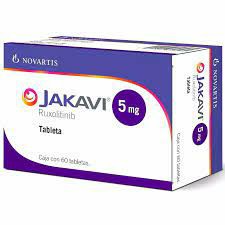
Ruxolitinib is a selective tyrosine kinase inhibitor that has been approved by the U.S. Food and Drug Administration (FDA) for the treatment of patients with refractory or drug-resistant PV. According to the introduction, ruxolitinib is usually used as a second-line treatment option and is suitable for use when first-line treatment drugs (such as hydroxyurea) are ineffective or cannot be tolerated by patients. When selecting first-line treatment, doctors need to comprehensively consider factors such as the patient's age, history of thrombosis, and hematocrit control.
Ropeginterferon-alfa-2b, as an interferon drug, was approved by the FDA as early as November 2021, becoming another important option for the treatment of PV. Although ropeginterferon-alfa-2b is an emerging treatment method, its comparison with ruxolitinib in reducing JAK2 allele burden, especially the long-term impact on patients, still requires more clinical data support.
In clinical trials, ruxolitinib has shown good efficacy in PV patients with splenomegaly and can effectively relieve patients' systemic symptoms and itching. These effects were confirmed in the Phase 3 RESPONSE trial and the Phase 2 MAJIC-PV trial. In the RESPONSE trial, ruxolitinib significantly improved patients' symptoms and improved hematocrit control compared with the best available therapy. The MAJIC-PV trial further supports this view, showing the potential of ruxolitinib in reducing JAK2 allele burden.
In comparison,ropeginterferonThe performance of -alfa-2b in clinical studies cannot be underestimated. Although current research data have not yet fully revealed its specific effect in reducing JAK2 burden, as more clinical trials and data accumulate, ropeginterferon-alfa-2b is expected to become one of the important options for PV treatment in the future.
It is worth mentioning that when comparing these two drugs, researchers not only focus on the efficacy, but also consider many factors such as the patient's quality of life, the safety of the drug, and the patient's tolerance. After all, patients with polycythemia vera often require long-term treatment, so the long-term effectiveness of the drug and patient compliance are equally critical.
In summary, with in-depth research on ruxolitinib and ropeginterferon-alfa-2b, we are expected to have a clearer understanding of their advantages and disadvantages in reducing JAK2 allele burden. This will help doctors choose the most appropriate treatment plan for patients in clinical practice, thereby improving patients' quality of life.
References:https://www.onclive.com/view/dr-gangat-on-reducing-jak2-allele-burden-with-ruxolitinib-or-ropeginterferon-alfa-2b-in-polycythemia-vera
[ 免责声明 ] 本页面内容来自公开渠道(如FDA官网、Drugs官网、原研药厂官网等),仅供持有医疗专业资质的人员用于医学药学研究参考,不构成任何治疗建议或药品推荐。所涉药品可能未在中国大陆获批上市,不适用于中国境内销售和使用。如需治疗,请咨询正规医疗机构。本站不提供药品销售或代购服务。


