
.jpeg)
Recording and prolongation of resistance time to dacomitinib/Dozerun
Dacomitinib/Dacomitinib (Dacomitinib), as an irreversible EGFR-TKI, can effectively delay the progression of EGFR mutation-positive non-small cell lung cancer, but drug resistance is an inevitable problem in long-term use. Usually, patients may develop drug resistance after taking the drug for a period of time, and the time to drug resistance varies between individuals. Influencing factors include the type of tumor gene mutation, the patient's liver and kidney function status, combined drug use, and whether adverse reactions lead to dose adjustments. Some patients can maintain effective treatment for a year or more, but most patients will eventually need to adjust their treatment plan due to drug resistance.
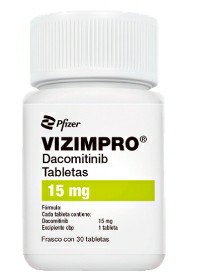
Methods to extend the effective treatment time of dacomitinib mainly include the following aspects: First, early monitoring and molecular testing. By dynamically understanding the tumor gene status and drug resistance mechanism, doctors can promptly adjust the medication regimen or consider combination medication strategies. The second is symptomatic management of adverse reactions, such as rash, diarrhea, or abnormal liver function, which can improve tolerance through dose adjustment, topical care, or adjuvant drugs to avoid premature discontinuation. Third, combination with other treatments. In some clinical practices, combination chemotherapy, immunotherapy or other targeted drugs can be considered for drug-resistant patients to extend the disease control period.
In addition, scientific lifestyle intervention can also help extend the treatment time, including regular work and rest, a balanced diet, smoking cessation and alcohol restriction, and appropriate exercise to improve the patient's overall tolerance and immune function. During the treatment process, patients should maintain regular follow-up visits and comprehensively evaluate the efficacy through imaging, hematology and clinical symptoms.
In summary, dacomitinib resistance time varies from person to person, but through early monitoring, symptomatic management, combined treatment and lifestyle intervention, patients can prolong the curative effect as much as possible under the guidance of doctors and achieve long-term disease control of non-small cell lung cancer. This also reflects the importance of long-term management of targeted drugs under the concept of precision medicine.
Reference materials:https://www.pfizer.com/products/product-detail/vizimpro
[ 免责声明 ] 本页面内容来自公开渠道(如FDA官网、Drugs官网、原研药厂官网等),仅供持有医疗专业资质的人员用于医学药学研究参考,不构成任何治疗建议或药品推荐。所涉药品可能未在中国大陆获批上市,不适用于中国境内销售和使用。如需治疗,请咨询正规医疗机构。本站不提供药品销售或代购服务。


