
.jpeg)
How to safely adjust the dose of selinexol (Silvio) in patients with renal insufficiency
Selinexor (Selinexor) is a selective nuclear export protein inhibitor, mainly used to treat relapsed or refractory multiple myeloma and diffuse largeB cell lymphoma. Its metabolic pathway is mainly completed through the liver, and the renal clearance ratio is low, but it still needs to be used with caution in patients with renal insufficiency. Decreased renal function may indirectly affect the metabolic environment of the drug in the body, thereby increasing the risk of adverse reactions, especially bone marrow suppression, gastrointestinal reactions and electrolyte disorders.
For patients with mild to moderate renal insufficiency (creatinine clearance greater than 30ml/min), current clinical data indicate that there is no need to routinely adjust the initial dose of selinesol, but doctors tend to increase monitoring, especially hemograms, renal function and electrolyte levels. If the patient experiences severe gastrointestinal adverse reactions (such as frequent nausea, vomiting, diarrhea) or hematological toxicity (such as decreased neutrophils or platelets), the dosage interval needs to be appropriately extended or the dosage reduced based on tolerance.
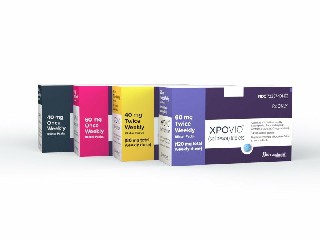
Selinisol should be used with greater caution in patients with severe renal insufficiency or near dialysis. Relevant clinical research data are currently limited, so the recommended approach is individualized treatment: doctors may choose to reduce the starting dose, or use alternate-day dosing to reduce the risk of drug accumulation. At the same time, in such patients, hematological monitoring and biochemical index monitoring should be performed more frequently. Once further deterioration of renal function or intolerable toxic reactions is found, treatment needs to be adjusted or suspended immediately.
During the entire treatment process, patients and doctors need to maintain close communication. Patients should promptly report symptoms such as decreased urine output, edema, fatigue, nausea, etc. that may indicate impaired renal function or drug toxicity. Clinicians should dynamically evaluate the dosage regimen based on renal function and gradually adjust the dosage based on patient tolerance. In this way, the anti-tumor effect of selinesol can be exerted as much as possible, and the safety of medication can be ensured to the greatest extent in the context of renal insufficiency.
Reference materials:https://www.drugs.com/
[ 免责声明 ] 本页面内容来自公开渠道(如FDA官网、Drugs官网、原研药厂官网等),仅供持有医疗专业资质的人员用于医学药学研究参考,不构成任何治疗建议或药品推荐。所涉药品可能未在中国大陆获批上市,不适用于中国境内销售和使用。如需治疗,请咨询正规医疗机构。本站不提供药品销售或代购服务。


