
.jpeg)
What are the targets of Sorafenib/Nexavar in the treatment of leukemia?
The most common indications for Sorafenib/Nexavar are hepatocellular carcinoma, renal cancer and thyroid cancer, but studies in recent years have shown that its potential application in hematological tumors, especially leukemia, has also received increasing attention. Different from solid tumors, leukemia is a hematological malignant disease derived from hematopoietic stem cells or progenitor cells, and its occurrence is closely related to multiple gene mutations and signaling pathway abnormalities.
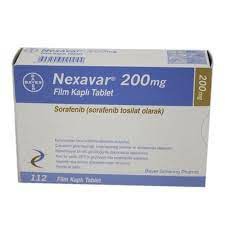
In the treatment of leukemia, the mechanism of action of sorafenib is mainly related to its ability to inhibitFLT3 mutant kinase. FLT3 gene mutations account for a high proportion of patients with acute myeloid leukemia (AML), and such mutations often lead to abnormal proliferation of tumor cells, rapid disease progression, and poor prognosis. Sorafenib inhibits the activity of mutant kinases such as FLT3-ITD, thereby blocking downstream signaling and inhibiting the survival and expansion of leukemia cells.
In addition toFLT3, sorafenib also shows certain effects on other targets in leukemia. For example, it can act on the RAF/MEK/ERK signaling pathway, and abnormal activation of this pathway is closely related to leukemia cell proliferation. At the same time, sorafenib can also indirectly affect angiogenesis-related factors. In the leukemia bone marrow microenvironment, abnormal angiogenesis is also an important condition for the survival of tumor cells.
At present, the application of sorafenib in the field of leukemia is mostly concentrated in clinical research and the exploratory stage of some relapsed and refractory cases. Although it is not the first-line standard treatment drug for leukemia, sorafenib has shown certain efficacy in certain molecular subtypes, especially AML patients with positive FLT3 mutations. Therefore, it is considered a potentially valuable molecular targeted drug.
In general, the main target of sorafenib in leukemia is FLT3 mutant kinase, and it also affects other proliferation-related pathways. In the future, with the combined application of more targeted drugs and research on resistance mechanisms, sorafenib is expected to play a more important role in the treatment of hematological tumors and provide more medical options.
Reference materials:https://www.nexavar.com/
[ 免责声明 ] 本页面内容来自公开渠道(如FDA官网、Drugs官网、原研药厂官网等),仅供持有医疗专业资质的人员用于医学药学研究参考,不构成任何治疗建议或药品推荐。所涉药品可能未在中国大陆获批上市,不适用于中国境内销售和使用。如需治疗,请咨询正规医疗机构。本站不提供药品销售或代购服务。


