
.jpeg)
How to master the correct usage and dosage of enzalutamide/enzalutamide (Encotan)
Enzalutamide/Enzalutamide is an oral small molecule drug that is an androgen receptor inhibitor and has become one of the standard regimens in the treatment of prostate cancer. Correct mastery of its usage and dosage is crucial to ensure efficacy and reduce adverse reactions.
Based on clinical recommendations, the usual dose of enzalutamide in adult patients with prostate cancer is 160 mg orally once daily. Based on the current common size of 40mg capsules on the market, patients need to take four capsules per day. It is worth noting that the drug should be swallowed whole and should not be broken or chewed to avoid affecting drug release and absorption. The medication time can be arranged at a fixed period according to the patient's habits, but the regularity of once a day should be maintained to maintain a stable drug concentration in the body.
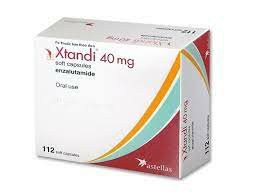
Enzalutamide does not depend on taking it before or after meals. Patients can flexibly choose according to their personal circumstances to avoid affecting the execution of the treatment course due to diet. However, if you are taking other drugs at the same time, you should inform your doctor so that potential drug interactions can be evaluated. Since enzalutamide is metabolized by the liver, you need to pay attention to liver function during taking it. Your doctor may arrange regular laboratory tests to ensure the safety of the drug.
In terms of dose adjustment, generally no adjustment is required, but if the patient experiences severe adverse reactions, such as seizures, persistent fatigue, significant hypertension, or abnormal liver function, doctors may consider reducing the dose or temporarily discontinuing the drug. Patients should not adjust the medication dosage on their own, and should not stop medication at will due to symptom relief, to avoid disease progression or drug resistance.
Caution is also required when using enzalutamide in elderly patients or those with underlying medical conditions. Although the drug has been shown to be well tolerated in clinical studies, individual differences still exist. Especially patients with cardiovascular disease, a history of epilepsy, or long-term use of multiple medications need to be strictly managed under the guidance of a doctor.
Reference materials:https://www.xtandi.com/
[ 免责声明 ] 本页面内容来自公开渠道(如FDA官网、Drugs官网、原研药厂官网等),仅供持有医疗专业资质的人员用于医学药学研究参考,不构成任何治疗建议或药品推荐。所涉药品可能未在中国大陆获批上市,不适用于中国境内销售和使用。如需治疗,请咨询正规医疗机构。本站不提供药品销售或代购服务。


