
.jpeg)
Analysis of the detailed Chinese instructions for Vepotolizumab/Urova
1. Overview of Drugs
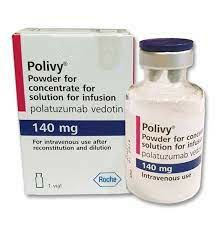
Polatuzumab vedotin (trade name: POLIVY, Ulowa) is an innovative antibody-drug conjugate (ADC). It effectively combines monoclonal antibodies with cytotoxic small molecules, accurately locks the characteristic protein CD79b on the surface of B cells, and achieves targeted killing. This mechanism allows it to show high specificity and clinical application value in the field of lymphoma treatment.
2. Main indications
The clinical application of vepotuzumab focuses on diffuse largeB-cell lymphoma (DLBCL; non-Hodgkin lymphoma) and its related subtypes:
1. First-line treatment: used in combination with rituximab, cyclophosphamide, doxorubicin and prednisone (R-CHP regimen), suitable for patients with DLBCL, not otherwise specified (NOS) and high-grade B-cell lymphoma who have not received treatment, especially those with high prognostic index scores.
2. Relapsed or refractory patients: When patients still relapse or are ineffective to drugs after multiple lines of treatment, velpotuzumab can be used in combination with bendamustine and rituximab to provide a new clinical treatment approach.
3. Usage and dosage
The standard recommended dose is1.8mg/kg intravenous infusion, administered every 21 days. Depending on the treatment population, it is often combined with R-CHP or bendamustine or rituximab. The course of treatment is usually 6 cycles. Prior to treatment, clinical guidelines recommend that patients receive pretreatment with antihistamines and antipyretics to reduce infusion-related reactions.
If the dose needs to be adjusted due to side effects, first reduce it to1.4 mg/kg, and then reduce it to 1 mg/kg; if the lowest dose cannot be tolerated, consider discontinuing the drug.
4. Preventive measures
In clinical application, doctors will preventively administer granulocyte colony-stimulating factor (G-CSF), antiviral drugs, and drugs to prevent and treat tumor lysis syndrome based on the patient's immune status and risk of complications. These measures help improve treatment safety and tolerability.
5. Adverse reactions
The most common side effects include:
Hematological toxicity: anemia, thrombocytopenia, neutropenia;
Nervous system manifestations: peripheral neuropathy;
Gastrointestinal reactions: nausea, diarrhea, constipation, stomatitis;
Systemic symptoms: fatigue, hair loss, etc.
In some patients, febrile neutropenia or pulmonary infection may occur, requiring close monitoring of blood and infection risks.
6. Storage and Stability
Vepotuzumab needs to be stored under refrigerated conditions at 2°C-8°C, away from light, and should not be frozen or shaken. If reconstitution is required, the instructions should be followed strictly, and any medicinal solution that has exceeded the specified time must be discarded to ensure efficacy and safety.
7. Precautions for special groups of people
1. Female patients: During treatment and 3 months after stopping the drug, contraception is required and breastfeeding should be avoided.
2. Male patients: It is recommended to take contraceptive measures during treatment and for 5 months after stopping the drug to reduce potential reproductive risks.
8. Analysis of mechanism of action
Vepotuzumab is a typical antibody-drug conjugate. The antibody part targets CD79b that binds to the surface of B cells, and then the drug enters the cell and releases the toxin MMAE in the lysosomal environment. MMAE induces tumor cell apoptosis by inhibiting microtubule polymerization and blocking cell division. This precise delivery mechanism not only improves drug efficacy, but also reduces damage to normal cells.
9. Clinical value and prospects
Since being approved by the U.S.FDA, vepotuzumab has gradually become an important drug in the treatment of DLBCL due to its targeting, combined treatment advantages and the potential to improve the prognosis of refractory populations. With the introduction and medical insurance coverage in China, its accessibility has greatly improved, and it is expected to expand its application in more B-cell lymphoma subtypes in the future.
Reference materials:https://www.drugs.com/polivy.html
[ 免责声明 ] 本页面内容来自公开渠道(如FDA官网、Drugs官网、原研药厂官网等),仅供持有医疗专业资质的人员用于医学药学研究参考,不构成任何治疗建议或药品推荐。所涉药品可能未在中国大陆获批上市,不适用于中国境内销售和使用。如需治疗,请咨询正规医疗机构。本站不提供药品销售或代购服务。


