
.jpeg)
The duration of efficacy of Fenelidone (Keshenda) and the observation results of long-term use
Finerenone is a new type of non-steroidal mineralocorticoid receptor antagonist, mainly used for the treatment of patients with chronic kidney disease and type 2 diabetes. The drug reduces inflammation and fibrosis by blocking mineralocorticoid receptors, thereby delaying the decline of kidney function. Clinical studies have shown that fenelidone has a relatively stable onset of action, and patients can observe improvements in indicators such as decreased urinary protein levels after taking the drug for a few weeks. Long-term use can play a lasting role in delaying the deterioration of renal function and reducing the risk of cardiovascular events.
From the perspective of duration of efficacy, fenelinone is a drug that needs to be taken regularly for a long time. Its effect is not maintained after one dose, but gradually appears through continuous suppression of inflammation and fibrosis pathways. Research data shows that the early improvement after taking the drug is mainly reflected in the reduction of proteinuria, and in the long-term observation of more than 1 years of follow-up, its effect on slowing the decline in glomerular filtration rate is particularly prominent. This shows that the efficacy of the drug is sustainable and requires long-term persistence to achieve maximum value.
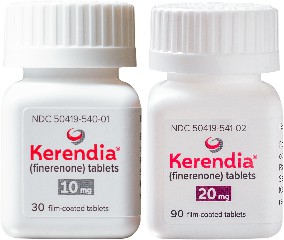
In long-term observation, the follow-up results of large clinical trials such as FIDELIO-DKD and FIGARO-DKD show that after patients continue to take fenelidone, the incidence of worsening renal function, risk of end-stage renal disease, and major cardiovascular adverse events are significantly reduced. These results show that fenelidone can not only provide short-term renal protection, but also maintain stable efficacy and good safety during long-term follow-up, which is particularly important for patients with diabetic nephropathy who require long-term management.
It should be noted that fenelinone may also cause certain adverse reactions during long-term treatment, especially hyperkalemia. Therefore, blood potassium and renal function indicators need to be monitored regularly during the course of treatment, and the dose should be adjusted or corresponding measures should be taken in a timely manner based on the results. Overall, the value of long-term use of fenelidone has been fully verified clinically. It can not only continuously delay the decline of renal function, but also reduce the risk of cardiovascular complications. It is a long-term management drug for chronic diseases with both efficacy and safety.
Reference materials:https://www.drugs.com/
[ 免责声明 ] 本页面内容来自公开渠道(如FDA官网、Drugs官网、原研药厂官网等),仅供持有医疗专业资质的人员用于医学药学研究参考,不构成任何治疗建议或药品推荐。所涉药品可能未在中国大陆获批上市,不适用于中国境内销售和使用。如需治疗,请咨询正规医疗机构。本站不提供药品销售或代购服务。


