
.jpeg)
Treatment options and targeted drug adjustment recommendations for capmatinib (Touradda) resistance
Capmatinib (capmatinib) is a selective METtyrosine kinase inhibitor, mainly used to treat patients with advanced non-small cell lung cancer with MET exon 14 skipping mutations. During clinical application, some patients may develop drug resistance, manifested by continued tumor progression or symptom recurrence. Resistance may be related to factors such as secondary mutations of MET, activation of bypass signaling, or changes in drug absorption and metabolism. After drug resistance is discovered, the patient's condition should be evaluated promptly and an individualized follow-up treatment plan should be formulated.
In the case of drug resistance, replacement or combination with other targeted drugs can first be considered. For patients with MET secondary mutations or activation of alternative pathways, clinical studies have shown that some patients can obtain certain therapeutic effects by switching to other types of MET inhibitors or by combining them with inhibitors such as EGFR and ALK. In addition, combining immune checkpoint inhibitors or chemotherapy regimens is also a commonly used strategy, especially when the efficacy of a single targeted drug is weakened, which can improve the disease control rate through multi-mechanical effects.
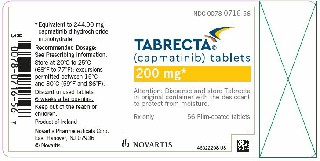
Dose adjustment is also an important part of drug resistance management. For patients who are still within the tolerance range, physicians can try short-term dose escalation or divided administration on the basis of strict monitoring to enhance drug exposure. However, it should be noted that blindly increasing the dose may cause serious side effects, such as edema, abnormal liver function or hematological adverse reactions, so it must be performed under the guidance of a professional doctor.
Finally, management after drug resistance should be combined with regular imaging evaluation and molecular testing results to promptly adjust treatment strategies. Some patients can still achieve disease stabilization or partial remission after changing targeted drugs or combination regimens, and adverse reactions and quality of life should be closely monitored. Overall, after capmatinib resistance, it is still possible to prolong the survival of patients and maintain a better living status through individualized drug adjustment and combination therapy.
Reference materials:https://www.drugs.com/
[ 免责声明 ] 本页面内容来自公开渠道(如FDA官网、Drugs官网、原研药厂官网等),仅供持有医疗专业资质的人员用于医学药学研究参考,不构成任何治疗建议或药品推荐。所涉药品可能未在中国大陆获批上市,不适用于中国境内销售和使用。如需治疗,请咨询正规医疗机构。本站不提供药品销售或代购服务。


