
.jpeg)
Full analysis of side effects and treatment methods of Regorafenib (Belvango) and medication guidance
Regorafenib is an oral multi-target tyrosine kinase inhibitor mainly used to treat advanced solid tumors such as metastatic colorectal cancer, gastrointestinal stromal tumors (GIST) and hepatocellular carcinoma. As a targeted therapy drug, regorafenib has significant efficacy in delaying tumor progression and improving patient survival, but its side effects are relatively common and require close monitoring and scientific management during clinical application. This article will comprehensively analyze the side effects, mechanisms, treatment methods and medication guidance of regorafenib to help patients better tolerate the drug during treatment and improve the safety and efficacy of treatment.
Common side effects of regorafenib include hand-foot syndrome (hand-foot skin reaction), hypertension, fatigue, loss of appetite, gastrointestinal discomfort (such as diarrhea, nausea, vomiting), abnormal liver function, and rash. Among them, hand-foot syndrome is the most typical manifestation of skin toxicity. Patients may experience erythema, blisters, peeling, pain, and even limited movement on the palms and soles of the feet. Hypertension is another common type of toxicity, which may be related to drug inhibition of the VEGFR signaling pathway, leading to vasoconstriction and increase in blood pressure. Gastrointestinal reactions are mostly manifested as diarrhea and loss of appetite, affecting patients' nutritional intake and quality of life.
In response to the above side effects, a variety of clinical treatment methods are adopted. For hand-foot syndrome, you should pay attention to local care, including keeping the skin clean, applying moisturizer, avoiding high temperatures and friction, and using topical ointments or analgesics under the guidance of a doctor. Hypertensive patients need to monitor their blood pressure regularly, take antihypertensive drugs if necessary, and pay attention to low-salt diet and lifestyle adjustments. Gastrointestinal discomfort can be intervened with small frequent meals, a light and easily digestible diet, and antidiarrheal or antiemetic medications. Patients with abnormal liver function need to regularly detect liver function indicators. Once there is a serious increase, medication should be suspended or the dosage should be adjusted.
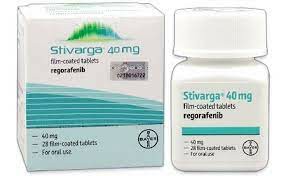
In terms of medication guidance, patients should strictly follow the doctor's instructions to take the medication. It is usually recommended to take it once a day on an empty stomach, and maintain a regular schedule and a healthy lifestyle. Patients who are taking regorafenib for the first time can start with the standard dose, but if adverse reactions occur or they are weak, they should appropriately reduce the dose or take the medication in cycles according to the doctor's advice. At the same time, patients should establish a complete record of side effects, including time of occurrence, severity and mitigation measures, so that doctors can adjust treatment plans in a timely manner. Regular follow-up and imaging evaluation can help determine efficacy and safety and ensure maximum treatment benefit.
In addition, patient education is also an important part of safe medication use. Patients and their families should be aware of the common adverse reactions and early symptoms that may be caused by regorafenib, such as numbness of the hands and feet, rash, edema, sustained hypertension and abnormal liver function indicators. Once abnormalities occur, they should contact their doctor in time. At the same time, avoiding concurrent use with drugs that may increase hepatotoxicity or cardiovascular risk, and maintaining adequate fluid and nutritional intake can help improve tolerance and quality of life.
Taken together, although regorafenib has significant efficacy, its side effects cannot be ignored. Through scientific monitoring, timely intervention, reasonable dose adjustment and patient education, the vast majority of side effects are controllable. Reasonable use of regorafenib by patients under the guidance of doctors can not only delay tumor progression and improve survival, but also maintain a good quality of life while ensuring safety, providing practical and effective treatment options for patients with advanced solid tumors.
Reference materials:https://www.drugs.com/
[ 免责声明 ] 本页面内容来自公开渠道(如FDA官网、Drugs官网、原研药厂官网等),仅供持有医疗专业资质的人员用于医学药学研究参考,不构成任何治疗建议或药品推荐。所涉药品可能未在中国大陆获批上市,不适用于中国境内销售和使用。如需治疗,请咨询正规医疗机构。本站不提供药品销售或代购服务。


