
.jpeg)
Will selinesol (silvio) cause insomnia to worsen during treatment and how to deal with it
Selinexor () is an oral selective nuclear export inhibitor, mainly used for the treatment of relapsed and refractory multiple myeloma and some lymphomas. As a new type of targeted drug, it has remarkable efficacy, but during clinical use, some patients may experience neuropsychiatric adverse reactions including insomnia. As a common adverse event, insomnia may be caused by the direct effects of drugs, side effects on the central nervous system, as well as psychological stress and physical conditions during treatment.
First, selinesol may indirectly interfere with patients' sleep rhythms by affecting neurotransmitter balance in the central nervous system. Some patients may experience symptoms such as difficulty falling asleep, easy waking up at night, or shallow sleep in the early stages of treatment. In addition, drug-induced fatigue, loss of appetite, or digestive discomfort may indirectly worsen sleep disorders. For example, side effects such as nausea, dry mouth or hypoglycemia are more obvious at night, affecting the patient's sleep quality and sleep duration. Clinical data shows that approximately 10% to 20% of patients develop varying degrees of sleep disorders during treatment with selinesol, with mild to moderate insomnia being the predominant form.
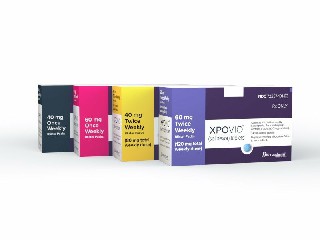
To deal with selinesol-related insomnia, a variety of clinical interventions are commonly implemented. The first is to optimize the drug administration time. It is generally recommended to take the drug in the morning or noon as much as possible to avoid the accumulation of central stimulant effects caused by use at night, thereby affecting night sleep. Secondly, sleep can be improved through non-drug interventions, such as maintaining a regular schedule, avoiding caffeine before bed, performing moderate exercise, and creating a quiet and comfortable sleep environment. In addition, for patients with obvious symptoms that affect their quality of life, doctors may consider short-term use of sleep aids, but attention must be paid to interactions with selinesol and other anti-tumor drugs to avoid increasing the risk of central depression.
In addition, psychological and lifestyle intervention are equally important. Patients often experience anxiety, mood swings, or pain and discomfort during treatment, and these factors can aggravate insomnia. Through psychological counseling, supportive care and family care, patients' tension can be effectively relieved and sleep quality improved. At the same time, regular follow-up and monitoring of patients' sleep status, timely adjustment of medication regimens or individualized intervention are important links to ensure the long-term safe use of selinesol.
In summary, although insomnia is relatively common during selinesol treatment, symptoms can be effectively alleviated and patients' treatment compliance can be ensured through reasonable arrangement of medication time, non-drug intervention, drug assistance when necessary, and psychological support. Patients and medical staff should pay close attention to sleep changes, communicate and adjust the plan in a timely manner to ensure that the anti-tumor efficacy is guaranteed while maximizing the quality of life and treatment experience.
Reference materials:https://www.drugs.com/
[ 免责声明 ] 本页面内容来自公开渠道(如FDA官网、Drugs官网、原研药厂官网等),仅供持有医疗专业资质的人员用于医学药学研究参考,不构成任何治疗建议或药品推荐。所涉药品可能未在中国大陆获批上市,不适用于中国境内销售和使用。如需治疗,请咨询正规医疗机构。本站不提供药品销售或代购服务。


