
.jpeg)
Analysis of factors affecting the efficacy of rasagiline (Azila) and individual patient differences
Rasagiline is an irreversible inhibitor of monoamine oxidaseB (MAO-B) and is commonly used as a single agent or combination therapy for Parkinson's disease. Its efficacy varies at different disease stages. Studies have found that using rasagiline in the early stages of Parkinson's disease can significantly delay the deterioration of motor symptoms and improve patients' daily living abilities. However, as the disease progresses, neuronal loss increases, patients become less responsive to drugs, and efficacy may decrease. Therefore, early intervention is crucial to maintain long-term benefits.
There are obvious individual differences in the efficacy of rasagiline among patients, and genetic factors are one of the important reasons. CYP1A2The enzyme is involved in the metabolism of rasagiline. Differences in drug plasma concentrations in patients with different genotypes may lead to differences in efficacy and side effects. In addition, individual dopamine receptor sensitivity, disease duration, and whether it is accompanied by cognitive decline will also affect the actual efficacy of the drug. This means that clinically it is necessary to combine genetic testing and disease assessment for individualized medication.
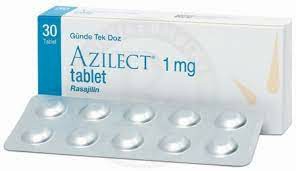
Rasagiline is susceptible to the effects of concomitant medications during use. For example, combined use with selective 5-serotonin reuptake inhibitors (SSRIs), tricyclic antidepressants and other drugs may cause serotonin syndrome, thus affecting the patient's tolerance and efficacy of rasagiline. At the same time, smoking can induce CYP1A2 enzyme activity, accelerate the metabolism of rasagiline, reduce drug concentration, and weaken the efficacy. Therefore, patients should avoid unreasonable drug combinations and maintain a healthy lifestyle during medication.
Taken together, the efficacy of rasagiline not only depends on the characteristics of the drug itself, but is also affected by the disease stage, genetic background, drug interactions and lifestyle habits. When clinicians prescribe rasagiline, they need to make individual adjustments based on the patient's age, disease course, comorbid diseases, and medication history. At the same time, follow-up should be strengthened, motor function and cognitive status should be regularly assessed, and the dose should be adjusted or combined with other drugs if necessary to maximize treatment benefits.
Reference materials:https://www.drugs.com/
[ 免责声明 ] 本页面内容来自公开渠道(如FDA官网、Drugs官网、原研药厂官网等),仅供持有医疗专业资质的人员用于医学药学研究参考,不构成任何治疗建议或药品推荐。所涉药品可能未在中国大陆获批上市,不适用于中国境内销售和使用。如需治疗,请咨询正规医疗机构。本站不提供药品销售或代购服务。


