
.jpeg)
Which one is more effective, pirfenidone (Asri) or nintedanib, and clinical comparison analysis
Pirfenidone and nintedanib (Nintedanib) are two anti-fibrotic drugs commonly used in clinical practice. They are mainly used to treat chronic progressive pulmonary fibrosis diseases such as idiopathic pulmonary fibrosis (IPF). The two have their own characteristics in terms of mechanism, efficacy and safety, so they often become the objects of comparison and selection in clinical applications.
Pirfenidone is a small molecule oral drug that slows down the fibrosis process mainly by inhibiting the transforming growth factorβ (TGF-β) signaling pathway. Multiple clinical trials have shown that pirfenidone can effectively delay the decline of lung function, especially the decline in vital capacity (FVC). In addition, pirfenidone can also improve patients' exercise tolerance and quality of life, and has a significant effect on early intervention of the disease. The most common adverse reactions are rash, photosensitivity reactions and gastrointestinal reactions, such as nausea, diarrhea, etc., but most side effects can be controlled through dose adjustment or symptomatic treatment.
Nintedanib is a multi-target tyrosine kinase inhibitor that can simultaneously act on platelet-derived growth factor receptor (PDGFR), fibroblast growth factor receptor (FGFR) and vascular endothelial growth factor receptor (VEGFR), thereby inhibiting fibroblast proliferation and collagen deposition. Clinical trial data show that nintedanib also has a significant effect on slowing down the decline of lung function in IPF patients, reducing the decline rate of total lung capacity and reducing the occurrence of acute exacerbations. The main adverse reactions of nintedanib are diarrhea, nausea, and abnormal liver function. Liver function indicators need to be monitored regularly and the dosage adjusted according to tolerance.
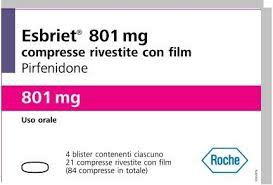
In terms of clinical comparison, multiple studies and real-world data show that the two are equally effective in delaying the decline of lung function, but have different side effects. Pirfenidone mainly causes photosensitivity and gastrointestinal reactions, while nintedanib mainly shows diarrhea and abnormal liver function. Therefore, drug selection is often individualized based on the patient's specific conditions. For example, patients with severe skin photosensitivity or gastrointestinal problems may be more suitable for nintedanib, while patients with liver dysfunction or susceptible digestive systems may be more suitable for pirfenidone. At the same time, for some patients who tolerate it well, doctors will alternate or combine the two drugs according to changes in their condition to optimize efficacy and improve quality of life.
In general, both pirfenidone and nintedanib can effectively delay the progression of idiopathic pulmonary fibrosis and improve patient survival rate and quality of life, but the specific choice should be determined based on the patient's individual tolerance, underlying disease status, and side effect management capabilities. In clinical practice, reasonable drug management and regular monitoring are the keys to ensuring treatment efficacy and safety. In the future, with the accumulation of more clinical studies and long-term follow-up data, personalized medication strategies for different patient groups will be further optimized to provide better treatment for IPF. Provide more precise treatment options for patients with pulmonary fibrosis and other diseases.
Reference materials:https://www.drugs.com/
[ 免责声明 ] 本页面内容来自公开渠道(如FDA官网、Drugs官网、原研药厂官网等),仅供持有医疗专业资质的人员用于医学药学研究参考,不构成任何治疗建议或药品推荐。所涉药品可能未在中国大陆获批上市,不适用于中国境内销售和使用。如需治疗,请咨询正规医疗机构。本站不提供药品销售或代购服务。


