
.jpeg)
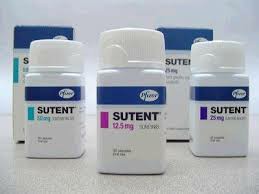
Sunitinib (Sutent) detailed instructions and analysis of correct usage
Sunitinib is an oral small molecule multi-target tyrosine kinase inhibitor mainly used to treat a variety of solid tumors, including advanced renal cell carcinoma (RCC), gastrointestinal stromal tumors (GIST) and certain pancreatic neuroendocrine tumors (pNET). Its mechanism of action is to inhibit the tyrosine kinase activity of vascular endothelial growth factor receptor (VEGFR), platelet-derived growth factor receptor (PDGFR), c-KIT and other receptors, blocking tumor angiogenesis and tumor cell proliferation, thereby delaying tumor growth. The multi-target characteristics of sunitinib make it have high clinical application value in the treatment of advanced tumors, especially for patients who cannot be surgically removed or are resistant to traditional chemotherapy.
In terms of usage, sunitinib is in capsule form, and the recommended dose is usually 50 mg once a day, taken orally continuously for 4 weeks and then discontinued for 2 weeks, forming a 6 weekly treatment cycle. This "4/2 regimen" is a commonly used standard clinical regimen, which helps to reduce adverse reactions while ensuring efficacy. If the patient is underweight, older, or has abnormal liver function, the dosage can be adjusted appropriately according to the physician's recommendations. When taking the medicine, swallow it whole and do not chew or crush it to ensure the sustained release properties and absorption effect of the medicine. At the same time, it is recommended to take it on an empty stomach or with food, but avoid high-fat meals to avoid affecting drug absorption.
A series of safety precautions and monitoring indicators need to be paid attention to when using sunitinib. First of all, patients should undergo routine blood tests, liver and kidney function, thyroid function and electrocardiogram before treatment, and review them regularly during treatment. This is because sunitinib may cause thrombocytopenia, leukopenia, liver function abnormalities, thyroid function fluctuations, and cardiotoxicity. Secondly, patients should pay attention to blood pressure monitoring during medication, because sunitinib often causes hypertension, and antihypertensive drugs need to be adjusted according to blood pressure conditions. For patients with cardiovascular disease or severe liver and kidney dysfunction, it must be used with caution under the guidance of a doctor.
Adverse reactions of sunitinib mainly include gastrointestinal symptoms (such as nausea, vomiting, diarrhea), skin reactions (hand-foot syndrome, rash), fatigue, oral ulcers, decreased platelets or white blood cells, and increased blood pressure. Mild and moderate reactions can be alleviated by adjusting the dose, symptomatic treatment, or extending the withdrawal time. Severe adverse reactions require immediate discontinuation of the drug and medical intervention. Patients should maintain good living habits while taking the medication, avoid concurrent use of drugs or supplements that may increase the burden on the liver and kidneys, and follow the doctor's follow-up plan to regularly evaluate efficacy and safety.
In general, sunitinib is a multi-target anti-tumor drug with significant efficacy and is suitable for patients with advanced renal cancer, gastrointestinal stromal tumors, and pancreatic neuroendocrine tumors. Correct usage includes taking the medicine at the prescribed dosage, following the periodic medication schedule, strictly monitoring blood, liver, kidney and cardiovascular indicators, and adjusting the dosage or taking corresponding treatment measures according to adverse reactions. Scientific and reasonable use of sunitinib can not only improve clinical efficacy, but also minimize the risk of adverse reactions and provide patients with safe and effective individualized treatment plans.
Reference materials:https://www.drugs.com/
[ 免责声明 ] 本页面内容来自公开渠道(如FDA官网、Drugs官网、原研药厂官网等),仅供持有医疗专业资质的人员用于医学药学研究参考,不构成任何治疗建议或药品推荐。所涉药品可能未在中国大陆获批上市,不适用于中国境内销售和使用。如需治疗,请咨询正规医疗机构。本站不提供药品销售或代购服务。


