
.jpeg)
The full text of the latest official instructions, indications and precautions for axitinib (Inlida)
Axitinib (Axitinib) is a highly selective oral small molecule tyrosine kinase inhibitor that mainly targets vascular endothelial growth factor receptor (VEGFR)1, pan>2 and 3 block tumor angiogenesis and tumor cell proliferation by inhibiting the VEGFR signaling pathway, thereby delaying tumor growth and metastasis. Its mechanism is based on the intervention of tumor blood vessel dependence, which can effectively limit tumor nutrient supply, providing an important targeted therapy for patients with advanced renal cell carcinoma (RCC). In addition, axitinib has also shown potential efficacy in clinical studies on some solid tumors, providing new treatment options for patients with a variety of advanced tumors.
According to the latest official instructions, the recommended oral dosage of axitinib is 5 mg twice daily. The tablet should be swallowed whole and can be used with meals or on an empty stomach. However, avoid high-fat meals to avoid affecting drug absorption. According to the patient's individual tolerance, the dose can be gradually adjusted, increasing or decreasing 1mg each time, and the adjustment frequency interval is generally 2 weeks. Blood pressure needs to be monitored closely during use, as hypertension is one of the most common adverse effects. If blood pressure continues to rise and cannot be controlled by medication, temporary discontinuation of medication or dose reduction should be considered. In addition, patients should regularly test liver function, kidney function and blood routine in order to detect potential toxicity and adjust the medication regimen in a timely manner.
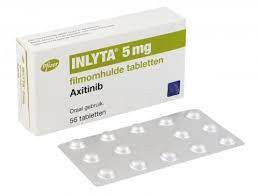
The indications for axitinib mainly include advanced or metastatic renal cell carcinoma, especially for patients who have failed or are resistant to first-line anti-tumor therapy. In clinical trials, axitinib has shown good anti-tumor activity, with significant improvements in overall response rate and progression-free survival, while its impact on patients' quality of life is relatively controllable. When using it, attention should be paid to contraindications, including pregnant and lactating women, patients with severe liver function impairment, and those allergic to axitinib ingredients. For patients with severe cardiovascular disease or active bleeding risk, the pros and cons of medication need to be weighed and decisions made carefully.
In addition, drug interactions are important considerations in the use of axitinib. Axitinib is mainly metabolized by CYP3A4, and combined use of potent CYP3A4 inhibitors (such as clarithromycin, ketoconazole) can significantly increase the plasma concentration, leading to enhanced toxicity; and potent CYP3A4Inducers (such as rifampicin, St. John's wort) may reduce the efficacy of the drug. Therefore, you should avoid taking it with the above-mentioned drugs during medication, or adjust the dosage under the guidance of a doctor. Patients should also pay attention to the storage of medicines and store them in a dry, dark, and room temperature environment to prevent children from accidentally taking them. In general, axitinib, as a targeted therapy drug, has a clear mechanism of action, good anti-tumor activity and controllable safety, making it of great clinical value in the treatment of advanced renal cell carcinoma and some solid tumors. However, the medication instructions must be strictly followed and combined with individualized management plans to ensure efficacy and safety.
Reference materials:https://www.drugs.com/
[ 免责声明 ] 本页面内容来自公开渠道(如FDA官网、Drugs官网、原研药厂官网等),仅供持有医疗专业资质的人员用于医学药学研究参考,不构成任何治疗建议或药品推荐。所涉药品可能未在中国大陆获批上市,不适用于中国境内销售和使用。如需治疗,请咨询正规医疗机构。本站不提供药品销售或代购服务。


