
.jpeg)
Instructions for Alprazolam
Alprazolam (Alprazolam) is a benzodiazepine drug commonly used to treat anxiety disorders, panic attacks, and anxiety-related depressive states. As a drug that acts on the central nervous system, it can exert anti-anxiety, sedative and anti-panic effects by enhancing the inhibitory neurotransmission of gamma-aminobutyric acid (GABA). The following are the key points of the instructions for alprazolam, which are introduced in detail based on clinical application and standardized usage.
1. Indications
1. Anxiety disorder: Suitable for patients with symptoms such as persistent tension, irritability, inattention, and insomnia.
2. Panic disorder: It can significantly reduce the frequency and severity of sudden panic attacks and improve the patient's quality of daily life.
3. Anxiety accompanied by depression: When anxiety leads to depression, alprazolam can be used as an auxiliary treatment drug to relieve the combined symptoms.
2. Adult usage and dosage
1. Treatment of anxiety disorders: immediate-release tablets/orally disintegrating tablets (ODT): the usual dosage is 0.25 to 0.5 mg daily, 3 times a day. Maximum dose: not to exceed 4 mg/day.
2. Treat panic disorder:
Immediate-release tablets/ODT: The starting dose is usually 0.5 mg three times daily. Maximum dose: 10 mg/day.
Sustained-release tablets: Initial dose: once daily, 0.5 to 1 mg each time Maintenance dose: 3 to 6 mg daily, recommended to be taken in the morning. Maximum dose: 10 mg/day.
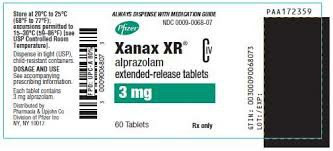
3. Usage and dosage for the elderly and frail patients
1. Anxiety disorder: The recommended dose is 0.25 mg per day, 2 to 3 times a day.
2. Panic disorder:
Immediate-release tablets/ODT: Initial dose is 0.25 mg daily, 2 to 3 times daily.
Extended-release tablets: starting dose: 0.5 mg daily.
The elderly have slower metabolism, so the dosage needs to be strictly controlled to reduce drowsiness, dizziness and the risk of falls.
4. Medication principles and precautions
1. Lowest effective dose: Always start with the lowest possible dose and gradually adjust it based on efficacy and tolerance.
2. Dosage adjustment: The dose of sustained-release tablets can be increased every 3 to 4 days, not exceeding 1 mg each time, to reduce adverse reactions.
3. Discontinuation and dose reduction: Do not stop suddenly and gradually reduce the dose. Generally, the dose should be reduced by no more than 0.5 mg every 3 days. Some patients need a slower rate to avoid withdrawal reactions.
4. Medication time: The daily dose should be distributed as evenly as possible during waking hours to avoid side effects caused by peak concentrations.
5. Combined use: Avoid using it with alcohol or other central depressants to avoid aggravating the risk of sedation and respiratory depression.
5. Adverse reactions
Common adverse reactions include drowsiness, memory loss, decreased concentration, dizziness and coordination disorders. Some patients may experience loss of appetite, weight changes, or mood swings. Long-term or high-dose use can lead to drug resistance and dependence, so it needs to be used under the guidance of a doctor.
6. Drug characteristics and clinical value
Alprazolam has become a widely used anti-anxiety drug in clinical practice due to its rapid onset and precise efficacy. Its immediate-release dosage form is suitable for the control of acute anxiety attacks or panic symptoms, while the sustained-release dosage form is more suitable for patients who require stable control. Compared with other benzodiazepines, alprazolam has a relatively moderate half-life and is more suitable for daytime use, but long-term dependence needs to be alerted.
Reference materials:https://en.wikipedia.org/wiki/Alprazolam
[ 免责声明 ] 本页面内容来自公开渠道(如FDA官网、Drugs官网、原研药厂官网等),仅供持有医疗专业资质的人员用于医学药学研究参考,不构成任何治疗建议或药品推荐。所涉药品可能未在中国大陆获批上市,不适用于中国境内销售和使用。如需治疗,请咨询正规医疗机构。本站不提供药品销售或代购服务。


