
.jpeg)
What is the effect of resmetirom on liver fibrosis?
Resmetirom - Rezdiffra is an innovative drug targeting liver metabolic pathways. It is mainly used to treat adult non-alcoholic steatohepatitis (NASH) and moderate to severe liver fibrosis (corresponding to stages F2 to F3 fibrosis). NASH is a complex liver disease caused by the accumulation of fat in the liver, chronic inflammation, and the development of fibrosis, which may develop into cirrhosis or even hepatocellular carcinoma as the disease progresses. Traditional treatment methods mainly rely on lifestyle intervention, including diet control and exercise, but the efficacy is limited, so targeted drug-assisted treatment is needed. The emergence of rismetirol provides a new treatment option for patients with NASH and liver fibrosis.
Resmetirol has a unique pharmacological mechanism. It is a selective agonist of liver thyroid hormone receptorβ (THRβ). By activating THRβ receptors in the liver, rismetirol can regulate liver cell lipid metabolism, promote fatty acid oxidation, reduce liver fat accumulation, inhibit inflammatory reactions caused by lipotoxicity, thereby slowing down or even improving the process of liver fibrosis. This mode of action is different from traditional lipid-lowering drugs or anti-fibrotic drugs. It not only improves abnormal fat metabolism, but also indirectly affects the pathological mechanism of fibrosis, achieving multiple interventions from metabolic disorders to repair of liver tissue structure.
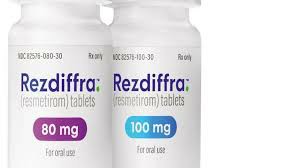
Clinical studies have shown that rismetirol has a positive effect onNASH and liver fibrosis in a multi-center, randomized, double-blind trial controlled by placebo. After patients took the drug for a long time, the liver fat content decreased significantly, while inflammatory indicators improved, and some patients' fibrosis scores also decreased. This means that resmetirol not only helps control disease progression but may also promote pathological repair at an early stage. The side effects of drugs are usually controllable. Common reactions include diarrhea, nausea and skin itching, most of which are mild to moderate and can be alleviated through dose adjustment or auxiliary treatment.
Resmetirol is available in a variety of dosage strengths, including60 mg, 80 mg and 100 mg film-coated tablets, and the dosage regimen is usually adjusted based on patient weight and disease severity. For example, those weighing less than 100 kilograms usually take 80 mg once a day; those weighing greater than or equal to 100 kilograms take 100 mg once a day. Medications should be combined with a healthy diet and moderate exercise to optimize effectiveness. In long-term management, regular monitoring of liver function indicators, blood lipid levels, and liver fibrosis progression is the key to ensuring the safety and effectiveness of treatment.
Enter as one of the first batchOne of the targeted drugs in the field of NASH treatment, rismetirox represents a new direction in the treatment of chronic liver diseases. It intervenes in liver fat accumulation and inflammation by targeting metabolic pathways, thereby improving fibrosis and making up for the shortcomings of traditional lifestyle intervention. As the world attaches greater importance to NASH and liver fibrosis, rismetirox is expected to become a core drug recommended by guidelines in the future, providing patients with scientific, controllable and individualized treatment options.
In general, resmetirol has shown significant potential in improving steatohepatitis and moderate-to-severe liver fibrosis. Its innovative mechanism and controllable safety make it important in the management of chronic liver diseases. Combined with lifestyle intervention, resmetirol can not only delay disease progression, but also potentially improve liver structure, bringing tangible benefits to NASH patients.
Reference materials:https://www.drugs.com/monograph/resmetirom.html
[ 免责声明 ] 本页面内容来自公开渠道(如FDA官网、Drugs官网、原研药厂官网等),仅供持有医疗专业资质的人员用于医学药学研究参考,不构成任何治疗建议或药品推荐。所涉药品可能未在中国大陆获批上市,不适用于中国境内销售和使用。如需治疗,请咨询正规医疗机构。本站不提供药品销售或代购服务。


