
.jpeg)
What are the functions and effects of selegiline/imidopyr?
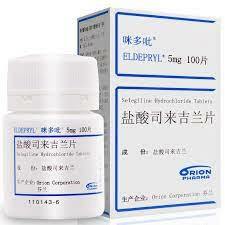
Selegiline/imidopid (Selegiline) is a selective monoamine oxidase B (MAO-B) inhibitor that is widely used in the treatment of neurological diseases. As a drug that acts on the central nervous system, selegiline mainly inhibits the activity of MAO-B and prevents the metabolism of dopamine between synapses, thereby improving the bioavailability of dopamine in the central nervous system. Dopamine is a key neurotransmitter that plays a central role in motor regulation, mood control and cognitive function, so selegiline could have significant efficacy in the adjunctive treatment of Parkinson's disease and major depressive disorder.
In the treatment of Parkinson's disease, selegiline is often used in patients with early-stage Parkinson's disease and in combination with levodopa (Levodopa) to treat late-stage patients to delay disease progression and improve motor symptoms. The core pathology of Parkinson's disease is the degeneration of dopaminergic neurons in the substantia nigra of the midbrain, resulting in a decrease in dopamine levels in the central nervous system, resulting in symptoms such as bradykinesia, tremor, and myotonia. By inhibiting MAO-B activity, selegiline can not only reduce dopamine degradation, but also improve dopamine concentration between neuronal synapses, thereby alleviating patients' movement disorders and delaying to a certain extent the "on-off" effect caused by increased doses of levodopa.
In addition, selegiline is used as an adjunctive treatment in adults with major depressive disorder. Depression is closely associated with decreased levels of monoamine transmitters (such as norepinephrine, serotonin, and dopamine) in the central nervous system. Through MAO-B inhibition, selegiline can increase the concentration of these key neurotransmitters between synapses and improve the efficiency of nerve signal transmission, thereby improving patients' emotional state and cognitive function. Compared with traditional tricyclic antidepressants or selective serotonin reuptake inhibitors (SSRIs), selegiline as an adjuvant drug can provide additional efficacy at a controllable dose, and has less impact on cognitive function when used in combination with other drugs.
It is worth noting that in addition to Parkinson's disease and depression, some studies and clinical practices have also explored the potential use of selegiline in attention deficit hyperactivity disorder (ADHD), mild cognitive impairment, and early intervention for neurodegenerative diseases. These effects are mainly attributed to its regulatory effects on central monoamine neurotransmitters, as well as its protective effects on synaptic plasticity and neuronal survival.
The application advantage of selegiline lies in its selectivity and targeting. Compared with non-selective MAO inhibitors, it mainly acts on MAO-B, reducing peripheral MAO-A-related side effects, such as hypertensive crisis and food interaction risk. However, you still need to follow your doctor's advice during use and pay attention to the interaction between the drug and high tyrosine-containing foods or other antidepressant drugs.
In general, selegiline (Selegiline/imidopyr), as an MAO-B inhibitor, can treat Parkinson's disease, adult major depression, and early cognitive or attention disorders by increasing the levels of dopamine and other monoamine neurotransmitters in the central nervous system. It not only improves motor symptoms and emotional state, but also shows a variety of auxiliary effects in clinical practice, representing an important direction in precision drug treatment of neurodegenerative diseases and mental disorders.
Reference: https://www.drugs.com/mtm/selegiline.html
[ 免责声明 ] 本页面内容来自公开渠道(如FDA官网、Drugs官网、原研药厂官网等),仅供持有医疗专业资质的人员用于医学药学研究参考,不构成任何治疗建议或药品推荐。所涉药品可能未在中国大陆获批上市,不适用于中国境内销售和使用。如需治疗,请咨询正规医疗机构。本站不提供药品销售或代购服务。


