.jpeg)
Olaparib Plus Pembrolizumab Maintenance Therapy for Metastatic Pancreatic Cancer: Findings from the POLAR Phase II Basket Trial
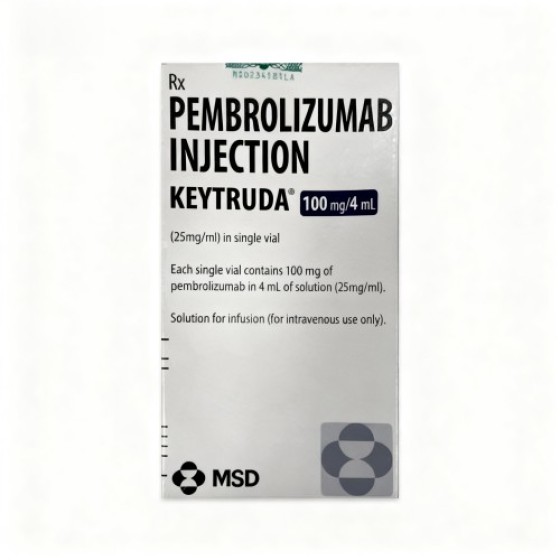
On March 25,2026,the team led by Dr.Wungki Park and Dr.Eileen M.O’Reilly from Weill Cornell Medicine and Memorial Sloan Kettering Cancer Center(MSKCC)in New York,USA,published the core findings of the POLAR phase II basket trial in the top international medical journal Nature Medicine.This study focused on maintenance therapy for patients with metastatic pancreatic cancer,exploring the biomarker-guided treatment strategy of the PARP inhibitor olaparib combined with the anti-PD-1 immunotherapy pembrolizumab.Although the primary endpoints were not met in the core cohort,the regimen showed favorable feasibility in patients with metastatic pancreatic cancer who achieved disease control after platinum-based chemotherapy,and delivered durable clinical benefit in a considerable proportion of patients,providing new evidence-based support for precision immunotherapy of pancreatic cancer.
Study Background:Treatment Challenges and Existing Therapeutic Explorations for Pancreatic Cancer
Pancreatic cancer is a highly aggressive solid tumor with significant limitations in the long-term tolerability of conventional chemotherapy.Therefore,de-escalation and maintenance treatment strategies have become a research hotspot in the field of advanced pancreatic cancer treatment,given their core advantage of balancing patients'quality of life and disease control.Currently,olaparib is the first targeted agent to demonstrate clinical benefit as maintenance therapy in patients with homologous recombination deficiency(HRD)pancreatic cancer harboring germline BRCA1/2 mutations,establishing HRD as a core biomarker for precision treatment of pancreatic cancer.
From the perspective of immunotherapy,only approximately 1%of patients with mismatch repair-deficient pancreatic cancer can benefit from single-agent PD-1 immune checkpoint inhibitor therapy;while less than 9%of patients with pancreatic cancer harboring core HRD mutations have been proven to have significant sensitivity to platinum-based chemotherapy.Previous studies have explored the efficacy of PARP inhibitors as monotherapy and in combination with chemotherapy in patients with pancreatic cancer harboring core and non-core HRD mutations.Inhibition of the DNA damage repair(DDR)pathway mediated by PARP inhibitors can enhance tumor genomic instability and immunogenicity,providing a solid theoretical basis for the combination of PARP inhibitors and immunotherapy.In addition,early studies of emerging therapies such as KRAS-targeted therapy and neoantigen vaccines have further confirmed the great potential of immune-mediated disease control in genomically stratified subgroups of pancreatic cancer.
Trial Design and Cohort Definition
The POLAR study is a single-center,non-randomized,biomarker-selected phase II basket trial.Eligible patients were those with metastatic pancreatic cancer who achieved disease control after platinum-based chemotherapy,and were prospectively divided into three cohorts based on their genomic characteristics:Cohort A,patients with core HRD defined by mutations in BRCA1,BRCA2,and PALB2;Cohort B,patients with non-core HRD gene mutations;Cohort C,platinum-sensitive patients without HRD gene mutations.
In the published findings,the research team reported the complete clinical outcomes of all three cohorts,along with translational analyses covering mutation signatures,neoantigen load,and immune-related biomarkers,aiming to identify biological characteristics associated with treatment response.Cohort A adopted a two-stage design,with prespecified co-primary endpoints of an objective response rate(ORR)of at least 43%per RECIST criteria and a 6-month progression-free survival(PFS)rate of at least 77%.
The cohort definition of this trial was supported by sufficient genomic evidence:large-scale sequencing studies over the past decade have confirmed that genomic instability in HRD tumors is associated with characteristic genomic signatures,including COSMIC Signature 3 and large-scale structural alterations(such as large-scale state transitions,loss of heterozygosity,and telomeric allelic imbalance).Tumors with an elevated number of these events have been proven to be more sensitive to platinum-based chemotherapy and PARP inhibition.Some of these mutation patterns,such as increased frameshift insertions and deletions and specific genomic features(especially in BRCA2-mutated tumors),may further enhance tumor immunogenicity;while mutations in non-core HRD genes may also confer HRD-like biological properties to tumors,which is the core logic of the multi-cohort design of this trial.
Key Efficacy Findings
A total of 63 eligible patients with metastatic pancreatic cancer were enrolled in this study,including 33 in Cohort A,15 in Cohort B,and 15 in Cohort C.
In the core Cohort A,among 20 patients evaluable for efficacy per RECIST criteria,the ORR was 35%(95%confidence interval 15%-59%);the 6-month PFS rate for the entire 33-patient cohort was 64%(95%CI 49%-82%),both of which did not meet the prespecified co-primary endpoints.However,long-term follow-up data showed significant survival benefits:with a median follow-up of 37 months,the median PFS in Cohort A was 8.3 months(95%CI 5.3 months-not reached),and the median overall survival(OS)reached 28 months(95%CI 12 months-not reached);the 2-year OS rate was 56%(95%CI 41%-76%),and the 3-year OS rate reached 44%(95%CI 28%-69%),confirming that this regimen can deliver durable disease control and long-term survival benefits in patients with core HRD mutations.
The efficacy data of Cohort B and Cohort C were relatively limited:the ORR was 8%(95%CI 0%-38%)in Cohort B,with a median PFS of 4.8 months(95%CI 4.0 months-12 months)and a median OS of 18 months(95%CI 13 months-not reached);the ORR was 14%(95%CI 2%-43%)in Cohort C,with a median PFS of 3.3 months(95%CI 1.9 months-4.8 months)and a median OS of 10 months(95%CI 8.9 months-24 months).
The prespecified translational analysis showed that circulating tumor DNA(ctDNA)response,increased tumor-infiltrating lymphocytes(TILs),and enrichment of neoantigens derived from frameshift insertions and deletions were significantly associated with durable clinical benefit after treatment with this regimen,further clarifying the core biological biomarkers related to efficacy.
Study Conclusions and Clinical Implications
The research team noted in the published article that although Cohort A did not meet the prespecified co-primary endpoints,the threshold was intentionally set high to guide feasibility and signal strength in a rare population,and the design was overly ambitious for a non-registrative study.Even so,clinically meaningful signals,including durable responses and prolonged survival,were observed in a subset of patients.
Meanwhile,the results of this study further support the model that DDR-driven genomic instability promotes tumor immunogenicity,while acknowledging that immune activation is ultimately limited by additional suppressive features in the tumor microenvironment,providing a mechanistic direction for the optimization of subsequent combination regimens.
Overall,the findings of the POLAR study provide solid evidence-based support for ongoing randomized controlled clinical trials,as well as future precision immunotherapy trials for pancreatic cancer that integrate DDR status,neoantigen quality,and tumor microenvironment remodeling,which are expected to further improve the treatment outcomes of patients with advanced pancreatic cancer.
[ 免责声明 ] 本页面内容来自公开渠道(如FDA官网、Drugs官网、原研药厂官网等),仅供持有医疗专业资质的人员用于医学药学研究参考,不构成任何治疗建议或药品推荐。所涉药品可能未在中国大陆获批上市,不适用于中国境内销售和使用。如需治疗,请咨询正规医疗机构。本站不提供药品销售或代购服务。